

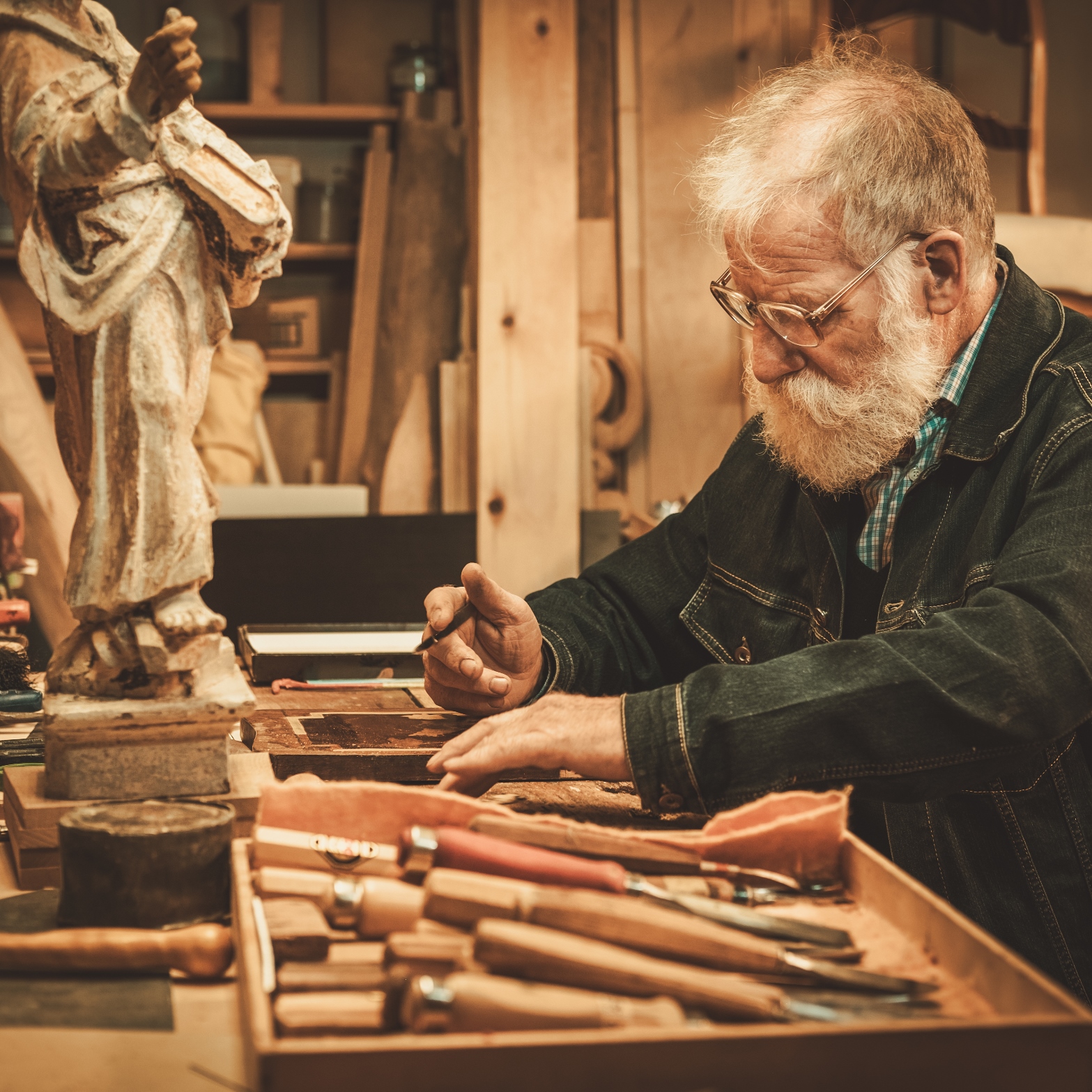
An object made with care just feels different in your hands. There's a certain weight, a smoothness, and a sense of intention you simply don't get from something designed to be temporary.
In a world full of fast furniture and disposable decor, true craftsmanship offers a refreshing and lasting alternative. It's about more than just how something looks; it's about the story, the materials, and the skill woven into its very creation. This dedication to keeping an object's integrity intact goes beyond its initial making, influencing everything from how it's displayed to the museum-quality crating needed for its safe journey and long-term care.
Choosing to fill your space with well-crafted art and objects is an investment in quality that keeps giving back in beauty, function, and personal satisfaction for years. These pieces enrich our daily lives and connect us to a long tradition of human skill and creativity.
Defining Quality in Art and Objects
We hear the word "quality" a lot, but sometimes it can feel a bit fuzzy. When we're talking about art and everyday objects, quality really means a good mix of thoughtful design, skillful making, and durable materials. It's that almost invisible seam on a handmade leather bag, the perfect balance of a ceramic mug, or how smoothly a solid wood drawer glides open.
This kind of quality doesn't just happen by chance. It's the result of an artisan truly understanding their craft and being committed to getting every single detail right. A high-quality object isn't just free of flaws; it feels complete and serves a real purpose. It does its job beautifully while also offering a lovely experience, turning an everyday item into a little piece of art.
Handmade vs. Mass-Produced
At the heart of craftsmanship is the difference between handmade and mass-produced items. Mass production focuses on speed, sameness, and keeping costs low. While this makes goods accessible, it often means losing that unique character and lasting quality that comes from a more personal touch. There's a big difference in how handmade art is made.
Handmade objects, on the other hand, carry the maker's unique touch. Each piece has subtle differences, telling its own story of how it came to be. This uniqueness adds a certain soul and personality that an assembly line can never quite copy.
Supporting artisans also means supporting a tradition of skill and creativity, helping ensure these valuable techniques aren't lost to machines. When you pick a handmade item, you're not just buying an object; you're getting a piece of someone's passion and expertise.
Why Materials Matter for Longevity
Even the most beautiful design can only last if it's made from materials that can stand the test of time. Artisans often pick materials not just for how they look, but for how tough they are and how they'll age. Solid wood develops a rich, warm look over time, good quality leather softens and molds to how you use it, and well-made ceramics resist chipping and fading.
This focus on things lasting a long time is a direct contrast to our modern "throwaway" culture. Investing in items made from top-notch materials means you won't have to replace them every few years. This idea applies to everything, from a sturdy oak dining table to the smaller details in your home.
For example, choosing solid brass lighting for your home instead of plated options means it won't peel or degrade; instead, it will develop a warm, natural finish over decades. The material itself becomes part of the object's ongoing story.
Investing in Timeless Design Elements
Trends come and go, but truly great design sticks around. Craftsmanship often goes hand in hand with design ideas that have proven their lasting appeal. These designs prioritize clean lines, good balance, and usefulness over quick fads. Think about the simple elegance of Shaker furniture or the natural shapes you see in Scandinavian design.
Historical movements like the Arts and Crafts movement really championed this idea, pushing back against industrialization by celebrating craftsmanship, natural materials, and simple, beautiful forms. Focusing on these timeless elements helps you create a home or collection that feels fresh yet classic, avoiding the constant need to update to the latest style. An object with a timeless design will look just as good twenty years from now as it does today.
The Legacy of Artisan Work
When you invest in a piece of artisan work, you're doing more than just getting a beautiful object. You're becoming a caretaker of a piece of cultural history. These items carry the stories of their makers and the traditions of their craft. A hand-carved sculpture, a carefully woven rug, or a custom piece of furniture can become a family heirloom, passed down through generations.
This legacy connects us to our past and creates a tangible link to the future. Unlike mass-produced goods that often end up in landfills, well-crafted objects gain meaning and value over time. They become part of our personal histories, reminding us of moments, people, and places. In this way, artisan work enriches our lives not just with its beauty and function, but with the lasting legacy it creates.
Choosing craftsmanship is a conscious decision to value quality over quantity and permanence over disposability. It's a way to bring more meaning, beauty, and lasting satisfaction into our everyday lives, one thoughtfully made object at a time.