

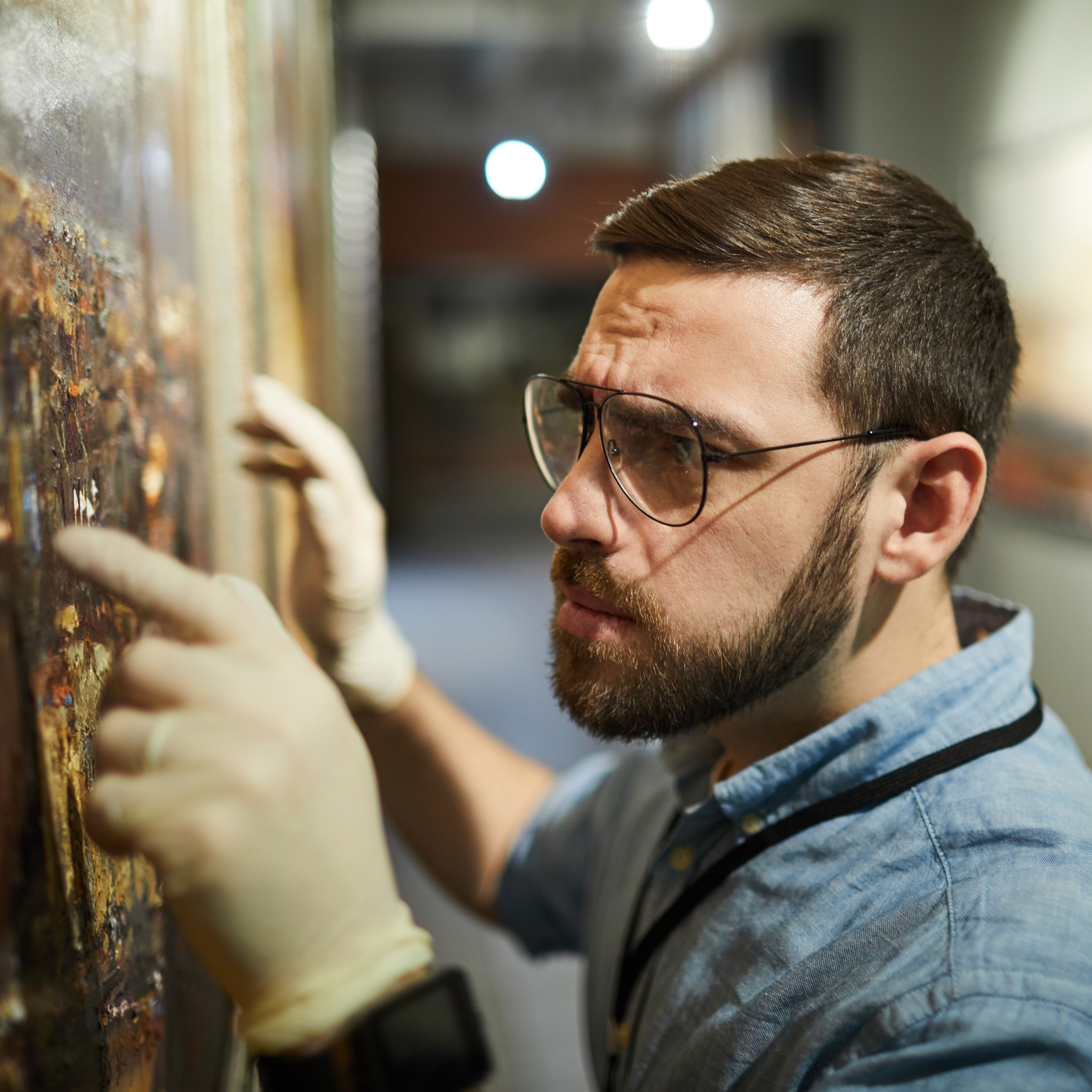
As soon as art handlers approach an artwork at the client’s premises, pack it quickly, and move it effortlessly to the art shuttle, the process looks quite simple. Yet, behind the apparent simplicity lies meticulous planning, orchestration, and careful execution. Learn more about the nuances of professional art handling, which often remain behind the scenes.
The Invisible Labor of Professional Art Handling
To understand why the process of professional art handling looks quite simple, you may ask yourself why people prefer to hire experts for moving their art. In most cases, they want to avoid drama, haste, and shipping risks, especially when relocating unique, irreplaceable art. That’s why professional work on the art moving project looks smooth and unproblematic – it is too well-planned to fail.
To guarantee the absence of risks and emergencies, art handlers first engage in meticulous pre-handling planning. They assess the art object and complete its risk profiling to make sure the chosen packing and moving method meets its type. Other mandatory procedures include environmental mapping and scenario modeling, with entry and exit routes thoroughly assessed in line with the item’s dimensions.
Art handlers can also use specialized equipment and tools, custom crates designed and built in special workshops, and various mounts and padding to guarantee a smooth process of moving art across the delivery route. This entire toolkit looks harmoniously woven into the fabric of an art moving project, thus causing no stress or surprise in the observer.
The Art of Human Choreography in Art Handling
Another aspect that makes the craft of professional, safe art handling invisible is the proper orchestration of the team’s efforts. Roles are differentiated, with a lead art handler overseeing the work of supportive art handlers. The team typically uses silent and non-intrusive communication, with hand signals and spatial awareness playing a role in concerted art management. Well-rehearsed action sequences guarantee that no risky improvisation happens during art handling, keeping the process completely risk-free.
As you can see, the process of artwork handling is always an outcome of layered expertise, risk management, and team role choreography. Art handlers have mastered the art of making it look easy; that’s why art owners are rarely immersed in the true technical complexity of moving their precious belongings from point A to point B, safe and sound.