

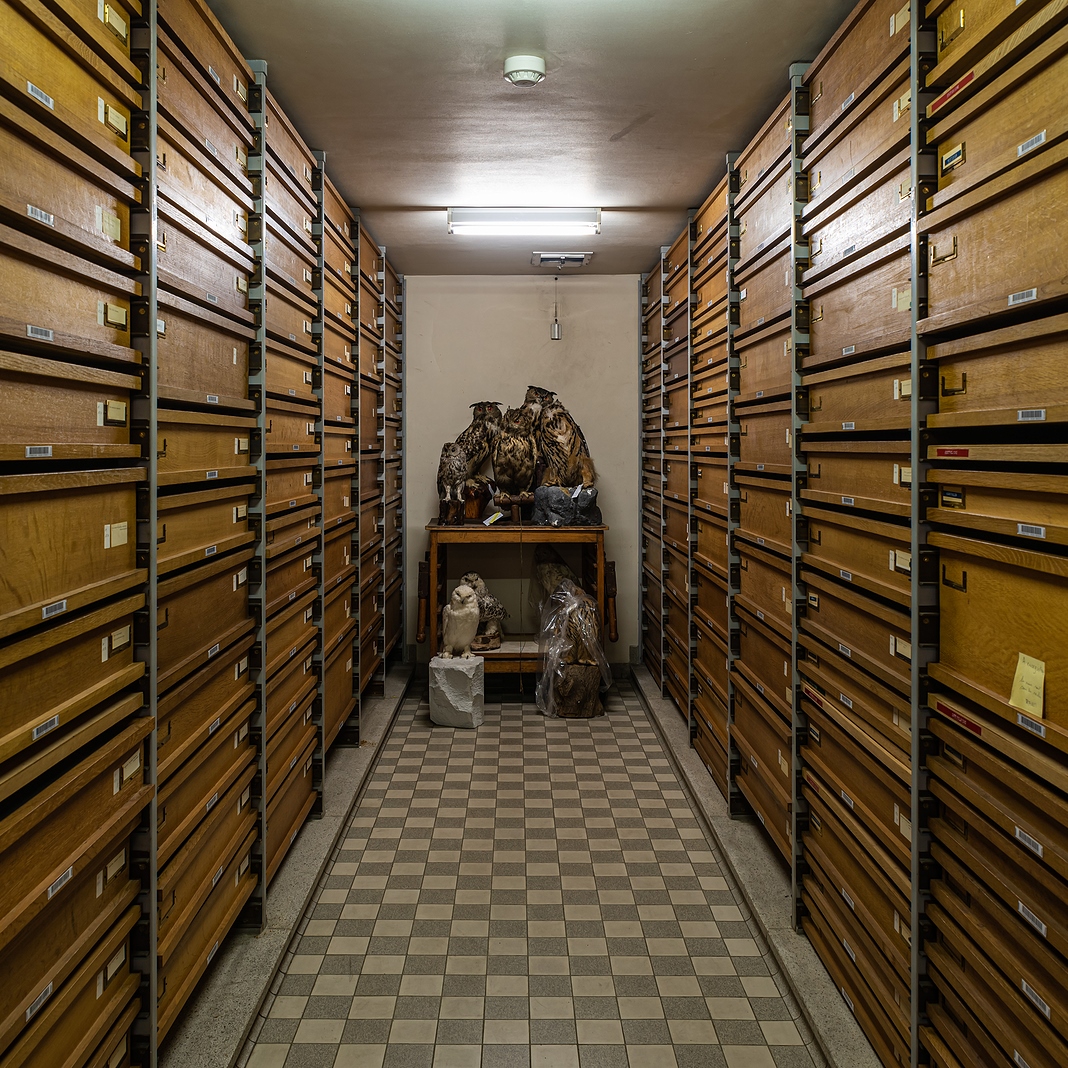
Running a museum art storage facility is a discipline in its own right, requiring extensive planning, organization, and constant control. Since more than 90% of a museum’s collection typically remains in long-term storage, these spaces must provide proper handling procedures and safety measures to protect artworks from deterioration, environmental risks, and accidental damage.
Environmental Control in Museum Art Storage
At the core of professional storage lies strict environmental control. Dedicated HVAC systems maintain stable temperature and relative humidity levels while minimizing air fluctuations and stratification. Different types of artwork often require specific conditions. For example, photographic and film collections are frequently stored in separate cold or cool storage rooms, with temperatures around 40°F and relative humidity levels of approximately 40% to slow down material degradation.
At the core of proper storage lies tight environmental control, with dedicated HVAC systems managing temperature and relative humidity with minimal air stratification. Photographic and film collections are often stored in separate cool or cold storage rooms, with temperatures around 40°F and relative humidity levels near 40% RH to slow material deterioration.
Security Settings
Access to museum storage areas is typically controlled through multiple security layers. Keycards, biometric entry systems, and digital tracking record who enters specific rooms and when. Permissions are assigned according to staff roles, with curators, conservators, and loading dock handlers receiving different access levels.
Physical security measures, including guards, CCTV cameras, motion detection systems, and alarms, work together with environmental monitoring systems to create a comprehensive protection network. Many museums also use sign-in and sign-out procedures for specific storage areas and implement a buddy system to ensure that no one remains alone with the collection without supervision.
Storage Furniture and Handling
Paintings are commonly stored on sliding art racks, which keep frames separated from each other and elevated from the floor. Paper-based artworks are stored flat in acid-free folders inside specialized map cabinets, protected from direct light exposure. Sculptures and other three-dimensional objects are assigned individual padded shelves or custom-made mounts designed for their specific shape and material.
Museums never stack artworks directly against one another. Every object is handled according to professional conservation standards, either with gloves or with clean, dry hands when appropriate.
Staffing and Everyday Management
Collection managers and registrars oversee daily museum art storage operations, including tracking each object’s location, condition, and movement history. Conservators conduct regular inspections to identify any changes in an artwork’s condition. Art handlers are responsible for the physical movement of collections, whether an object is being retrieved for an exhibition loan, research appointment, or conservation treatment.
Every artwork entering or leaving storage undergoes detailed inspection and documentation. Condition reports, high-resolution photographs, and chain-of-custody records create a complete and traceable history for insurance providers, museums, and loan partners.
The Everyday Reality of Museum Storage
As you can see, museum art storage combines environmental engineering, advanced security systems, careful handling, and meticulous record-keeping. It is demanding work that requires expertise, discipline, and continuous monitoring, with countless valuable artworks depending on the quality of professional archival logistics.