

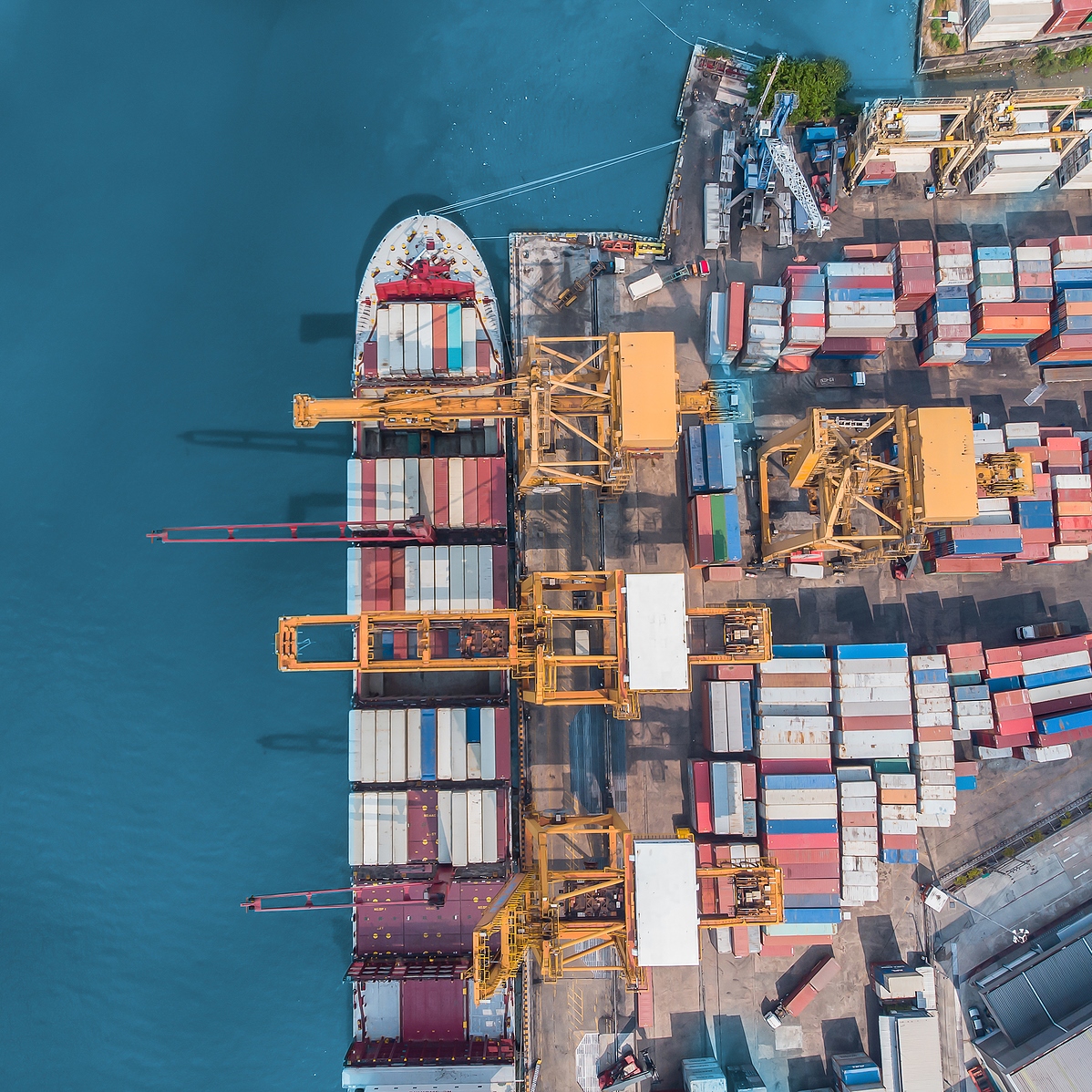
Cross-border transportation plays a vital role in global trade, enabling goods to move efficiently between countries and regions. However, operating across borders introduces a unique set of risks that businesses must manage carefully. These risks range from regulatory and financial challenges to security, logistics, and currency-related issues.
Effective risk management in cross-border transportation is not about eliminating uncertainty completely. It is about anticipating potential problems, reducing their impact, and building resilient processes that keep operations running smoothly.
Understand Regulatory and Compliance Risks
One of the most significant risks in cross-border transportation is non-compliance with regulations. Each country has its own customs rules, documentation requirements, safety standards, and import or export restrictions.
Businesses should stay up to date with international trade laws and local regulations in every market they operate in. Incorrect paperwork, misclassified goods, or missing permits can lead to delays, fines, or even seizure of cargo.
Working with experienced customs brokers and logistics partners helps ensure documentation is accurate and compliant. Regular audits of shipping processes also reduce the risk of costly compliance errors.
Manage Currency and Financial Exposure
Currency fluctuations can have a major impact on cross-border transportation costs. Fuel prices, customs duties, insurance, and local handling fees may all be affected by exchange rate changes.
To reduce financial risk, businesses should plan for currency volatility. This may involve using multi-currency accounts, locking in exchange rates where possible, or building buffers into pricing strategies. Understanding local currencies and payment systems is especially important when operating in regions with frequent fluctuations.
For companies and travelers dealing with destinations such as North Africa or the Middle East, having accurate currency information is essential. Resources like this guide on Egyptian currency from TravelCash provide useful insights that help reduce uncertainty when planning international transactions or travel-related logistics.
Clear financial planning supports better cost control and more predictable outcomes.
Address Transportation and Logistics Risks
Physical transportation risks include delays, damage, theft, and loss of goods. These risks increase when shipments pass through multiple borders, ports, or carriers.
Choosing reliable transport partners is critical. Businesses should evaluate carriers based on performance history, security measures, and contingency planning. Route planning also matters. Political instability, weather conditions, and infrastructure quality can all affect delivery timelines.
Insurance plays a key role in managing logistics risk. Adequate cargo insurance ensures financial protection if goods are damaged or lost in transit.
Improve Visibility and Tracking
Lack of visibility increases risk. When businesses cannot track shipments in real time, responding to disruptions becomes difficult.
Modern tracking technologies allow companies to monitor location, condition, and delivery status across borders. Real-time data helps identify delays early and enables faster decision-making.
Improved visibility also strengthens communication with customers by providing accurate delivery updates and managing expectations more effectively.
Mitigate Security and Theft Risks
Cross-border transportation can expose goods to theft, tampering, or fraud, especially when shipments pass through high-risk regions or multiple transfer points.
Security measures such as sealed containers, GPS tracking, vetted drivers, and secure storage facilities reduce exposure. Background checks on partners and staff involved in handling goods also help limit internal risks.
Clear protocols for reporting and responding to security incidents ensure issues are addressed quickly and professionally.
Plan for Political and Economic Instability
Political changes, trade disputes, and economic instability can disrupt cross-border transportation with little warning. Border closures, sanctions, or sudden regulatory changes may affect routes or delivery schedules.
Businesses should monitor geopolitical developments in key markets and diversify routes where possible. Relying on a single corridor or supplier increases vulnerability.
Contingency planning allows companies to adapt quickly when conditions change, reducing the impact on operations.
Strengthen Communication and Coordination
Miscommunication is a common source of risk in cross-border transportation. Language barriers, time zone differences, and unclear responsibilities can all lead to errors.
Clear contracts, documented procedures, and defined roles help reduce confusion. Regular communication with logistics partners, suppliers, and customers ensures everyone understands timelines, responsibilities, and potential risks.
Strong coordination improves problem-solving when disruptions occur.
Invest in Training and Expertise
Well-trained teams are better equipped to manage risk. Staff involved in cross-border transportation should understand international regulations, documentation requirements, and risk management principles.
Ongoing training helps teams stay informed about regulatory changes and best practices. Experienced professionals are more likely to identify risks early and respond effectively.
Investing in expertise reduces costly mistakes and strengthens operational resilience.
Use Data to Improve Decision-Making
Data-driven insights help businesses understand where risks occur most frequently. Analyzing delays, costs, incidents, and compliance issues reveals patterns that can be addressed proactively.
Using historical data to refine routes, carriers, and processes leads to continuous improvement. Over time, this reduces risk exposure and increases efficiency.
Build Long-Term Resilience
Managing risks in cross-border transportation is an ongoing process. Markets change, regulations evolve, and new challenges emerge regularly.
Resilient businesses build flexibility into their supply chains, diversify partners, and review risk strategies frequently. Rather than reacting to problems as they arise, they prepare in advance.
Final Thoughts
Cross-border transportation offers significant opportunities, but it also introduces complex risks that require careful management. By understanding regulatory requirements, controlling financial exposure, improving visibility, and planning for uncertainty, businesses can reduce disruption and protect their operations.
Effective risk management does not eliminate challenges, but it ensures organizations are prepared to handle them. With the right strategies in place, cross-border transportation can remain efficient, secure, and reliable in an increasingly interconnected global economy.