

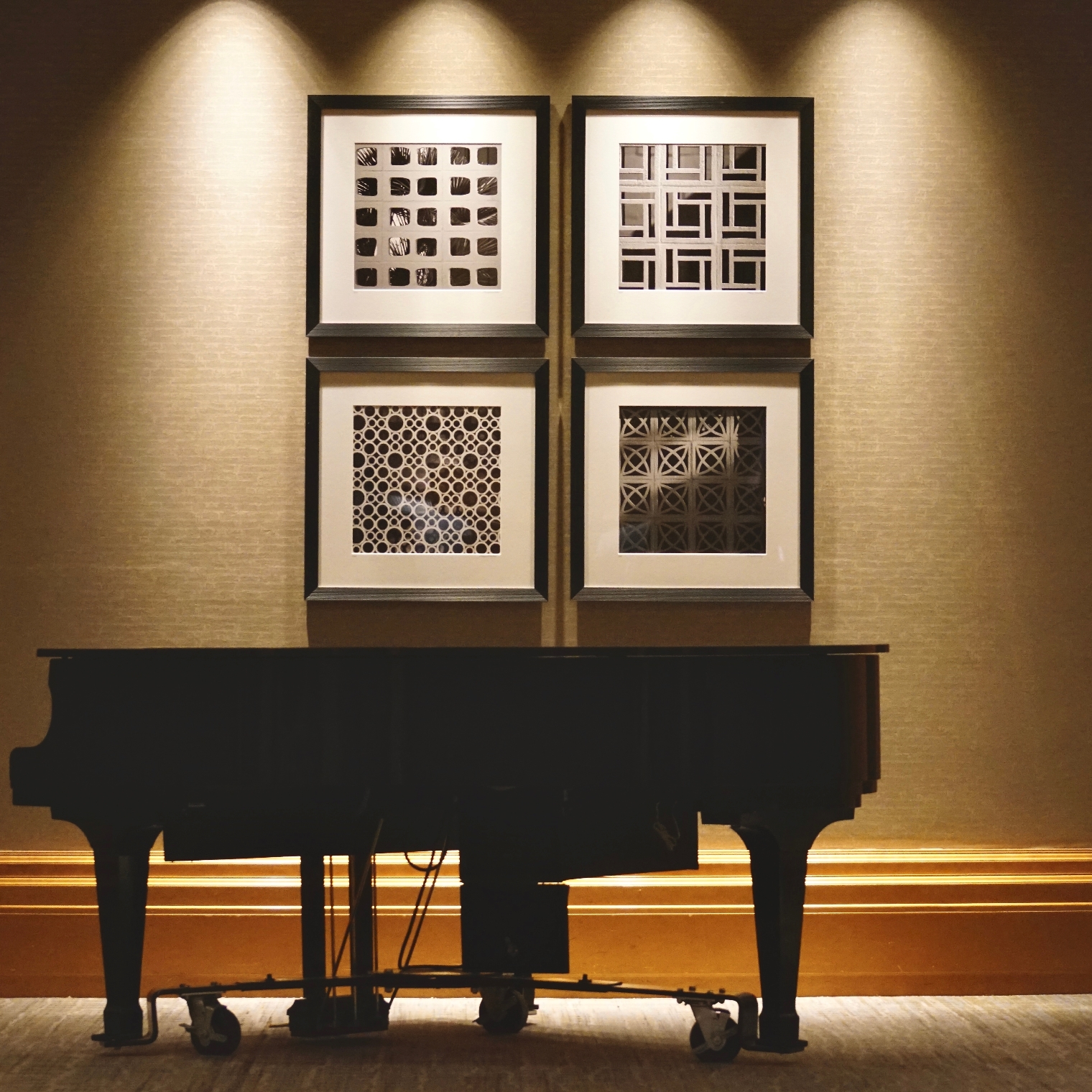
A gallery wall can turn framed artwork, family photographs, prints, and collected objects into one of the most personal features in a home. Yet even a carefully planned arrangement may lose its impact after sunset if the lighting creates glare, uneven shadows, or bright spots that overpower individual pieces.
The most effective gallery wall lighting combines comfortable ambient illumination with focused accent light. Decorative fixtures can also become part of the composition rather than simply providing illumination. For example, woven materials and rattan wall sconces can introduce warmth beside framed artwork while providing soft, functional light for the surrounding wall.
Rowabi's handcrafted rattan wall sconces combine natural woven materials with modern craftsmanship, making them suitable for living rooms, hallways, bedrooms, and hospitality projects where artwork and lighting should feel equally intentional.
The goal is not to make every frame equally bright. It is to help the arrangement feel balanced, preserve the visual character of the artwork, and make the room comfortable to use throughout the day and evening.
Plan the Lighting Before Hanging the Artwork
Gallery wall lighting works best when it is considered before the final frame layout is installed. Fixture location, ceiling height, nearby windows, frame glazing, and the dimensions of the overall arrangement can all affect where unwanted reflections appear.
Start by identifying the main viewing positions in the room. A gallery wall behind a sofa may be viewed primarily from across the living room, while artwork in a hallway is usually seen at closer range and from several changing angles.
Use painter's tape or paper templates to mark the proposed frame positions. Turn on the room's existing lights and check the wall from different viewpoints. This simple test can reveal whether a ceiling fixture, window, or table lamp is likely to reflect in the glass.
Planning the lighting and artwork together also helps prevent a picture light, spotlight, or wall sconce from appearing awkwardly centered over only one small part of a larger arrangement.
Use Layers Instead of One Bright Light
A single high-output fixture rarely provides the most flattering result. It may illuminate the center of the display while leaving the outer frames in shadow, or create so much contrast that the wall feels more like a commercial display than part of a home.
A more comfortable plan normally combines three lighting layers:
- Ambient lighting provides general illumination throughout the room.
- Accent lighting draws attention to the gallery wall or selected artworks.
- Decorative lighting contributes material, shape, and atmosphere to the interior.
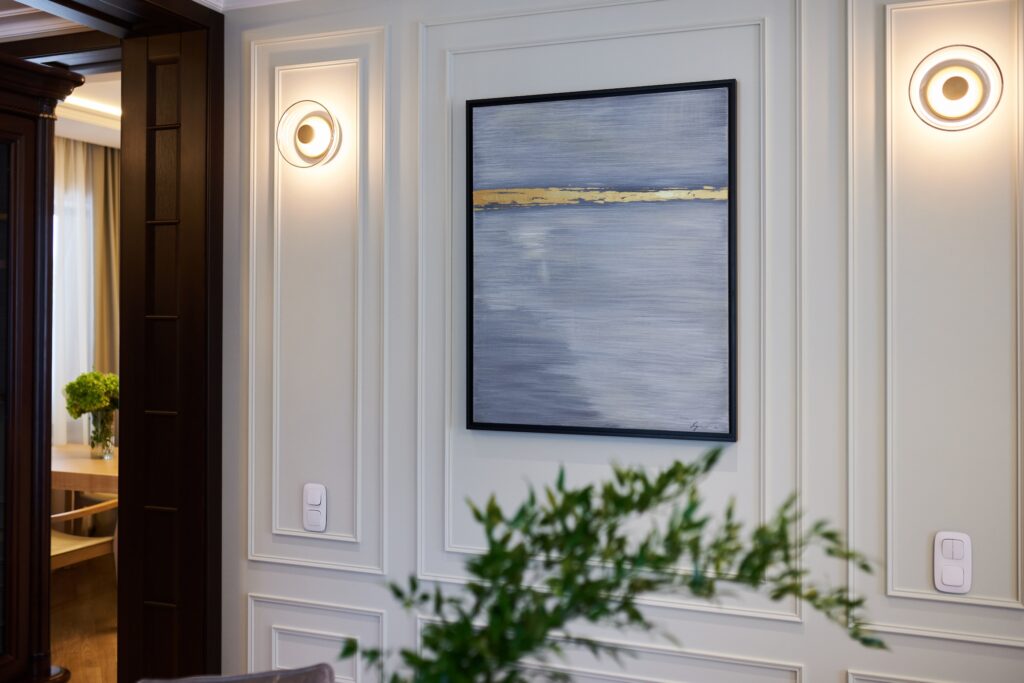
These layers do not need to be equally bright. Ambient light establishes a comfortable base level, while accent fixtures add enough definition to reveal color, texture, and detail. Decorative sconces can soften the transition between the artwork and the rest of the room without competing for attention.
Choose the Right Fixture for the Arrangement
The most suitable fixture depends on the size of the gallery wall, how often the artwork changes, and whether the light source should remain discreet or become part of the décor.
- Picture lights work well above one large artwork or a formal, symmetrical arrangement.
- Track lighting suits collections that change frequently because each head can be repositioned.
- Adjustable recessed lights provide a clean appearance in modern interiors but require careful placement.
- Wall washers distribute light across large or floor-to-ceiling arrangements.
- Wall sconces add decorative character and ambient light in living rooms, hallways, bedrooms, and entryways.
For asymmetrical gallery walls, adjustable fixtures are usually easier to balance than one centered picture light. Sconces positioned just beyond the outer edges of the arrangement can also help frame the display without directing a harsh beam at the artwork.
Position Lights to Prevent Glare
Glare occurs when light reflects from glass or another glossy surface toward the viewer instead of illuminating the artwork clearly.
For ceiling-mounted accent lights, a starting angle of approximately 30 degrees often works well. If the light is too close to the wall, the frame may cast a long shadow. If it is too far away, viewers may see a strong reflection in the glazing.
Test the result from the places where people are most likely to sit, stand, or walk. The mathematically centered fixture position is not always the position that produces the least glare.
Reflections can also be reduced by using matte or anti-reflective glazing, moving table lamps away from direct sightlines, controlling strong daylight with shades, selecting adjustable fixtures, and adding dimmers for evening use.
Choose Consistent Color Temperature and High CRI
For a warm residential setting, LEDs between 2700K and 3000K usually create a relaxed atmosphere. A more neutral light may suit contemporary interiors or artwork dominated by cooler colors, but nearby fixtures should remain visually consistent.
Color Rendering Index, or CRI, describes how accurately a light source reveals colors. A CRI of 90 or higher is a useful baseline for paintings, prints, photography, and mixed-media artwork.
Avoid combining noticeably warm and cool bulbs on the same wall. Even when each fixture looks acceptable on its own, inconsistent color temperatures can make the arrangement appear fragmented.
Coordinate Fixtures with Frames and Wall Décor
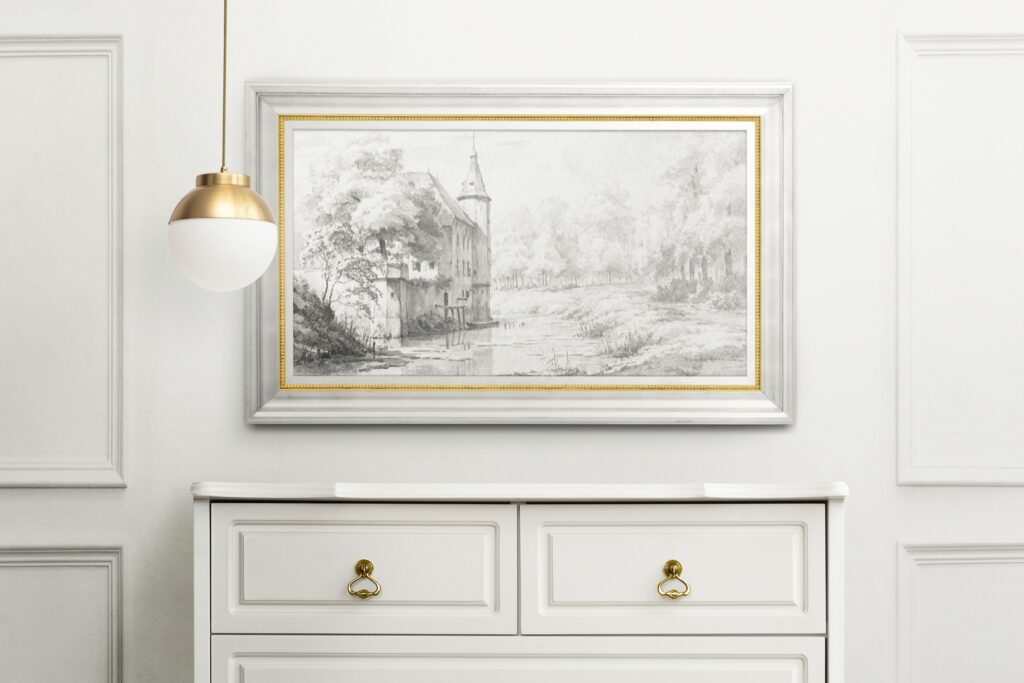
Lighting should support the visual language of the gallery wall. Slim metal fixtures can complement clean black frames, while woven shades, natural finishes, and softly diffused light may work better with vintage prints, organic materials, or an eclectic collection.
Rowabi's woven wall lighting is especially relevant when homeowners want to add texture without making the fixture feel heavy or overly formal. The handcrafted appearance can complement wood frames, neutral walls, botanical artwork, and interiors influenced by bohemian, coastal, or contemporary design.
Pay close attention to fixture scale. A large sconce beside several small frames can make the artwork appear insignificant, while a very small fixture may look like an afterthought next to oversized pieces.
Also check how far a wall-mounted fixture projects into the room. This is particularly important in narrow hallways and stairways, where the light should not obstruct movement or create a visual hazard.
Conclusion
Successful gallery wall lighting is rarely the brightest or most dramatic option. It is the lighting that allows viewers to see the collection comfortably without becoming distracted by reflections, harsh shadows, or oversized fixtures.
Plan the frame layout and fixture placement together, use layered illumination, prioritize accurate color rendering, and evaluate the wall from real viewing positions. Whether the design uses picture lights, adjustable ceiling fixtures, or handcrafted woven sconces from Rowabi, the artwork should remain the visual focus.