

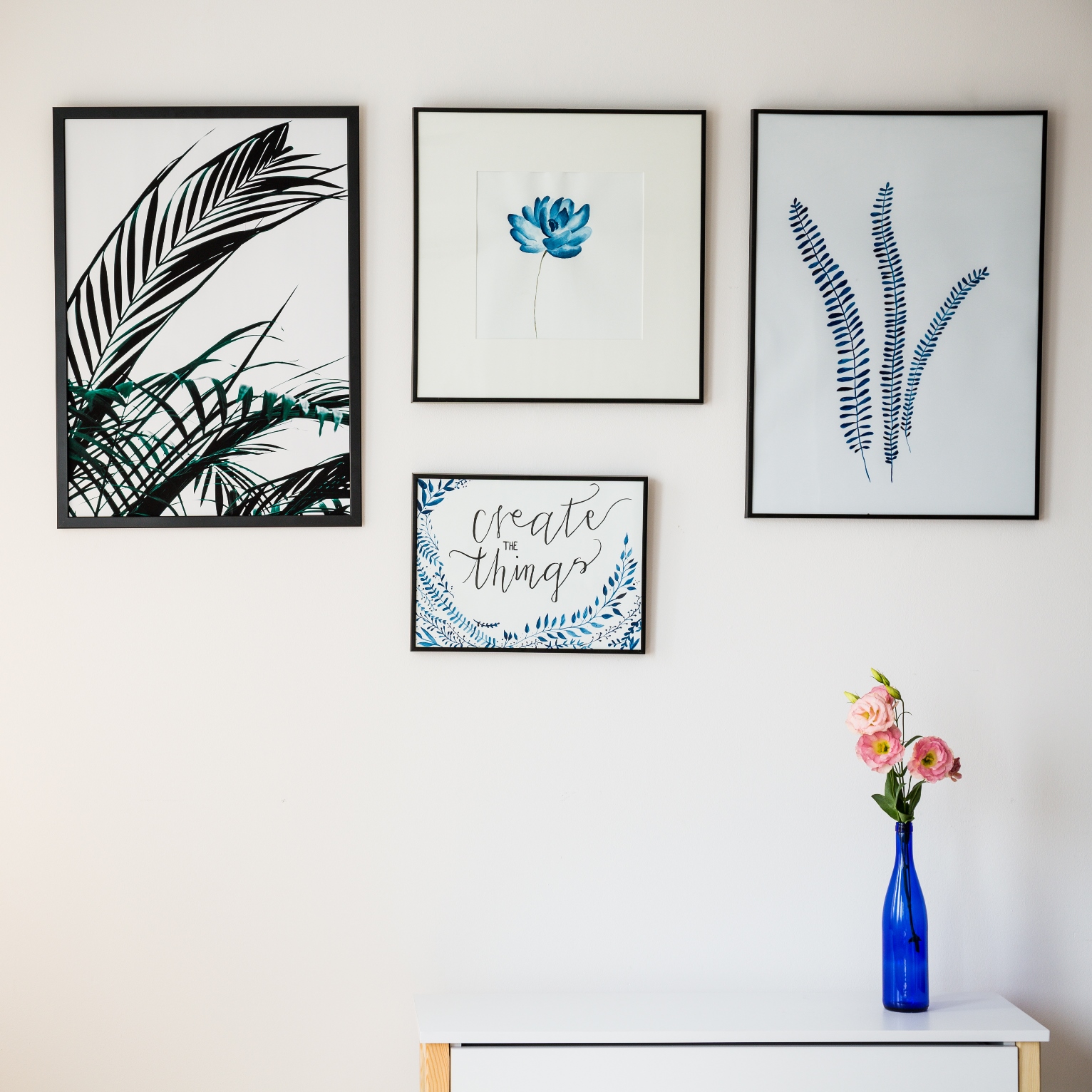
You've invested in art that matters to you. Then, one day, you notice a faded watercolor near the window or canvas developing strange ripples. Most people assume this deterioration was inevitable, but walk into any serious collector's home, and you'll notice their walls aren't just painted—they're treated as part of the preservation system.
Why Your Walls Are Secretly Damaging Your Art
Here's what nobody tells you: your walls are actively hostile environments. Unpainted drywall breathes constantly, absorbing moisture when humidity rises and releasing it when air dries. Artwork hanging against these walls experiences amplified humidity fluctuations. Paper fibers swell with moisture, then contract—repeat this enough, and you get warping and structural damage.
However, moisture isn't the only problem. Modern paints release volatile organic compounds (VOC) as they cure—that "new paint smell" is literally chemicals evaporating. Artwork surfaces absorb these compounds, particularly porous materials like unvarnished canvas or paper. Over time, VOC exposure causes discoloration and accelerated aging.
Most homeowners paint, wait a week for the smell to fade, then hang artwork immediately. But paint continues off-gassing for 30-60 days. Wait for that full curing period before installing pieces you care about, and you've eliminated a major damage vector without spending extra money.
Temperature Control Through Strategic Wall Treatment
When exterior walls get cold, moisture in warmer interior air condenses on cooler surfaces—including walls where your art hangs. This creates perfect conditions for mold growth on canvas, paper, and wood.
Properly primed and painted walls with adequate sheen (eggshell or satin rather than flat) create moisture-resistant barriers. The slight sheen also makes spotting moisture problems easier—matte finishes hide water damage until it's advanced significantly.
In Los Angeles specifically, west-facing walls might hit 85 degrees by 4pm from solar gain, then drop to 60 degrees by midnight. Artwork expands and contracts with these temperature changes, stressing frames, canvas, and mounting systems.
Insulating paint additives or ceramic microsphere coatings help moderate temperature swings by creating tiny insulating air pockets within the paint film. Research shows walls treated with ceramic additive paints maintain surface temperatures roughly 8-12 degrees more stable than conventional paints. This stability translates directly to reduced stress and longer artwork life.
Apply these specialty paints to walls receiving direct sunlight or on exterior-facing surfaces. The cost premium runs 25-35% over standard paint, but for collections worth thousands, it's minimal insurance.
Choosing the Right Paint Chemistry
Lower-quality paints achieve low prices through simpler binders and higher filler content. These fillers create porous paint films that absorb and release moisture rapidly—problematic for walls holding art. Premium paints use sophisticated acrylic polymers forming denser, more stable films with better moisture resistance.
Professional conservators recommend 100% acrylic latex paints in eggshell or satin finishes, with VOC content below 10 g/L, and permeability ratings between 10-15 perms. These specifications create walls that resist moisture intrusion while allowing water vapor to escape.
One overlooked element is the paint's pH level. Fresh paint measures quite alkaline (pH 9-11) but neutralizes over several weeks. During this period, alkaline compounds can migrate onto adjacent artwork. Acid-sensitive materials like certain dyes and papers can experience color shifts from alkaline exposure. Test pH before hanging valuable pieces (simple test strips work)—you want readings between pH 7-8.
Creating Air Gaps Behind Your Art
Even with perfect paint, directly mounting artwork against walls creates risks. The solution: intentional spacing that allows air circulation behind frames if possible.
Proper spacing provides multiple protections: air circulation prevents moisture accumulation, thermal buffering moderates temperature transfers, and inspection access lets you spot problems before they affect artwork.
For standard framed pieces, a minimum 1/4 inch gap provides basic protection. More valuable pieces benefit from 1/2 to 3/4 inch spacing. Better mounting options include French cleats (naturally creating 1/2 inch spacing), professional gallery rails, shadow box frames with built-in spacers, or simple rubber bumpers at frame corners.
A Santa Monica collector switched from standard hanging to French cleats two years ago. Not one piece showed the condensation staining that had affected multiple works previously—and cleats cost about $6 per installation.
Monitoring That Actually Works
Effective preservation requires ongoing attention, but not obsessively. Monthly visual inspections with good lighting catch warning signs: discoloration near artwork, visible moisture, dust accumulation patterns indicating air leakage, temperature differences you can feel.
For significant collections, basic temperature and humidity sensors (under $30) log data to smartphone apps. Museum standards recommend 65-75°F and 45-55% relative humidity. Your home doesn't need constant museum conditions, but understanding when you're outside optimal ranges helps you make informed decisions.
Premium paints maintain protective properties for 7-10 years versus 3-5 years for economy products. Professional services like those at https://rarovpro.com/ recommend inspecting wall conditions every 2-3 years and repainting proactively before protection degrades.
When to Hire Professionals
For walls holding valuable art, professional work often justifies its premium. Professionals who understand conservation ensure proper surface preparation, apply optimal coat thickness, and maintain consistent conditions during curing.
Start evaluating your situation today. Look at your walls, consider what's hanging on them, and assess whether the current treatment provides adequate protection. If you're seeing warning signs—artwork damage, visible moisture, aged paint—address these before they escalate. Good wall treatment eliminates multiple risk factors that otherwise operate silently until damage appears and expensive repair becomes necessary.