

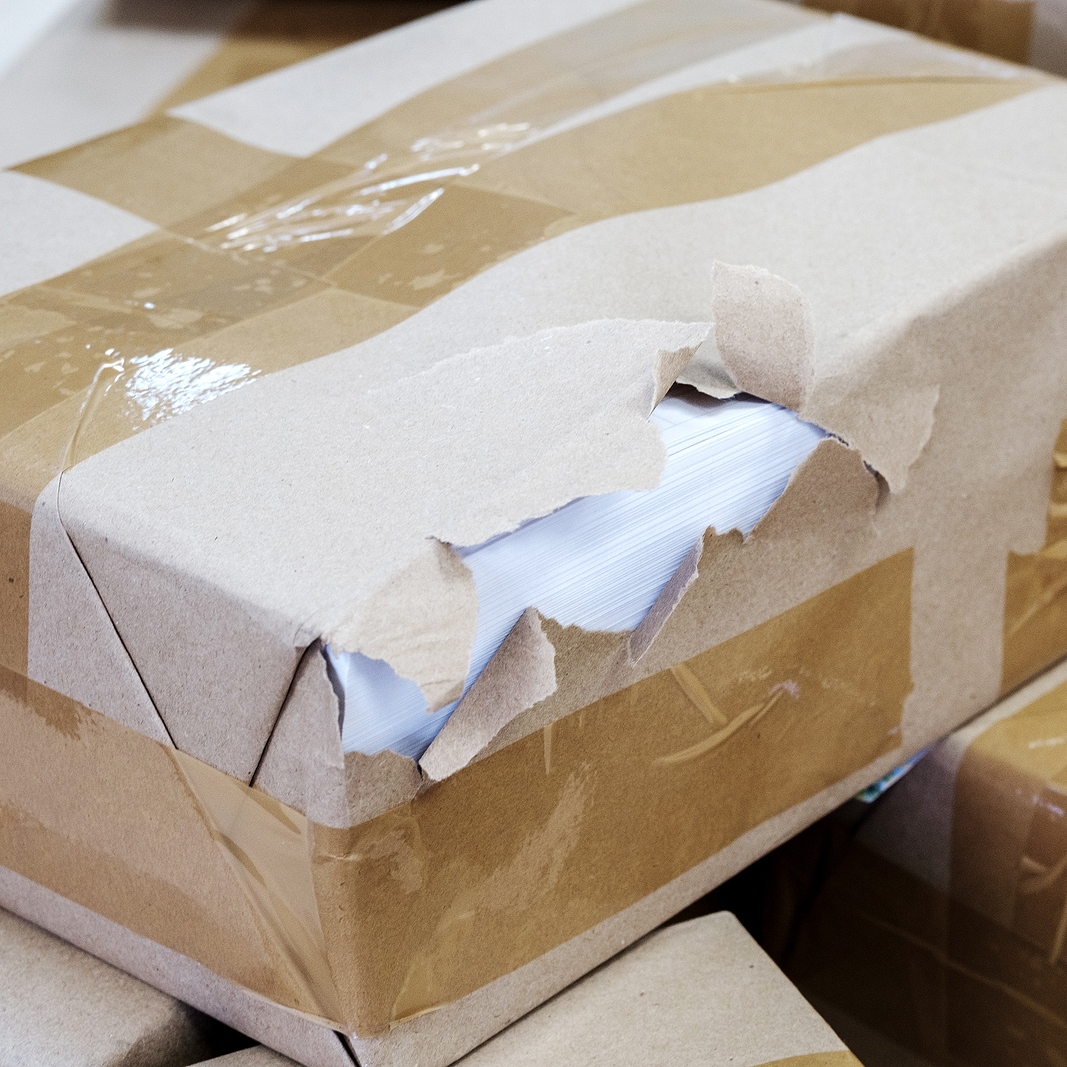
Shipping an item may not be safe and secure. Products break while traveling to their destination. A weak box is usually the main cause. Custom cardboard boxes are made from sturdy materials to resolve this issue. When products are packed, they are kept safe from potential damage throughout the whole journey. This guide explores some of the true facts regarding shipping damage.
Why Packaging Damage Happens So Often
Durable packaging provides better protection against damage during shipping. Weak boxes can collapse under external pressure, leaving the products inside vulnerable to damage.
For this reason, many brands and businesses use sturdy packaging, such as custom cardboard boxes, designed to withstand pressure, rough handling, and other challenges during transit. This can significantly reduce the risk of products being damaged in shipping.
What the Research Shows
Speed Commerce reports that about one in ten packages is damaged during shipping. At these rates, many customers may receive packages with damaged boxes or products.
According to Surface Armor, reported damage rates are 11% for UPS, 10% for USPS, and 7% for FedEx.
Financial Losses from Damage
Shipping damage affects consumers and companies. According to a study from ShipScience, thousands of brands and businesses lose billions of dollars per year due to shipping damage. Product returns, product replacements, and refund issues add extra cost for smaller companies. Poor packaging can also reduce profit margin over time.
How Better Packaging Helps?
There are many ways to package products in a better way. If you use the right materials, the packaging will be able to withstand the shock during shipping. Custom inserts and dividers ensure a professional product fit and keep it in place.
This helps prevent products from falling over or sliding back and forth inside the packaging during storage and transportation.
The Role of Box Size & Fit
The size of the packaging matters more than anything most people think. When a box is too large, it becomes a recipe for disaster. It may allow products to move around inside the packaging, causing them to hit the walls and each other.
And if the box is too small, it can put pressure on the enclosed product, leading to cracks, breakage, or deformation. Therefore, take product measurements correctly to ensure the safety of the packed items.
It will help you place the items in the packaging in a simple way and also reduce the overall cost in the packaging project.
Personalized Product Boxes Add Extra Protection
Packaging helps increase the protection of your items. It provides a shape designed to match your products and ensure a right fit. This protects packed items from damage, keeps products in place, and prevents them from bouncing during storage and transport.
For an extra layer of support to the items packed inside personalized product boxes, you can add custom inserts or dividers. They also provide another layer of protection by holding your item(s) in place within the box.
They keep your product safe from being dislodged during storage, handling, and shipping. It is safer for the products to be shipped.
Common Packaging Mistakes to Avoid
Many businesses make the same three common packaging mistakes. One of the most frequent is using too little packaging material. Thin or insufficient packaging can easily be crushed under pressure or damaged when other boxes are stacked on top.
Another common error is skipping the use of cushioning. The space in an open-top box may not seem like a risk, but it is. The items placed into a box need to be supported so they don't move around, which could lead to damage.
The third common mistake is reusing damaged boxes. Damaged boxes won't do much good at protecting your products. Sturdy new boxes will always provide better protection for your items than damaged ones.
Simple Steps to Reduce Shipping Damage
Businesses can quickly implement some common practices in their daily operations. In order to do so, they should utilize thicker cardboard as an alternative to thin cardboard when shipping. Thicker cardboard for custom cardboard boxes withstands more pressure than thinner cardboard.
Secondly, adequate cushioning can be used inside the packaging. Cushioning such as bubble wrap, packing paper, and foam helps absorb shock and keep the products in pristine condition. The use of shock-absorbing materials will protect fragile items from the impact that occurs when an item is moved rapidly.
Third, businesses should always make sure the packaging dimensions match the product being stored or shipped. A properly sized package keeps the product secure and reduces the risk of it shifting or moving inside.
Lastly, businesses should make sure that each box is sealed tightly using a good-quality adhesive such as tape or glue. If a box's seal is weak and breaks during shipment, the contents of the box could spill out. Here are some important considerations:
- Choose thicker cardboard
- Add cushioning
- Use a custom-sized box
- Use strong adhesive
Why This Matters for Every Business
Every damaged package hurts your customers' confidence and ultimately their purchasing decisions. Broken packages create negative memories for your customers, which can lead to reduced sales or very negative customer reviews.
Protecting a product with strong packaging will help protect your brand as well. The cost of good packaging is an investment that will provide you a positive return in the long run.
Final Thoughts
Product packaging matters. Choosing the right packaging for your product can help prevent problems ranging from product returns to damage during shipping. Data from UPS, USPS, and FedEx shows that damage remains a significant issue across the shipping industry.
Solving these problems starts with choosing the right packaging. Use durable materials, custom inserts, and properly sized packaging to ensure a snug fit for each item. This also provides adequate cushioning, helping protect valuable goods throughout their journey.