

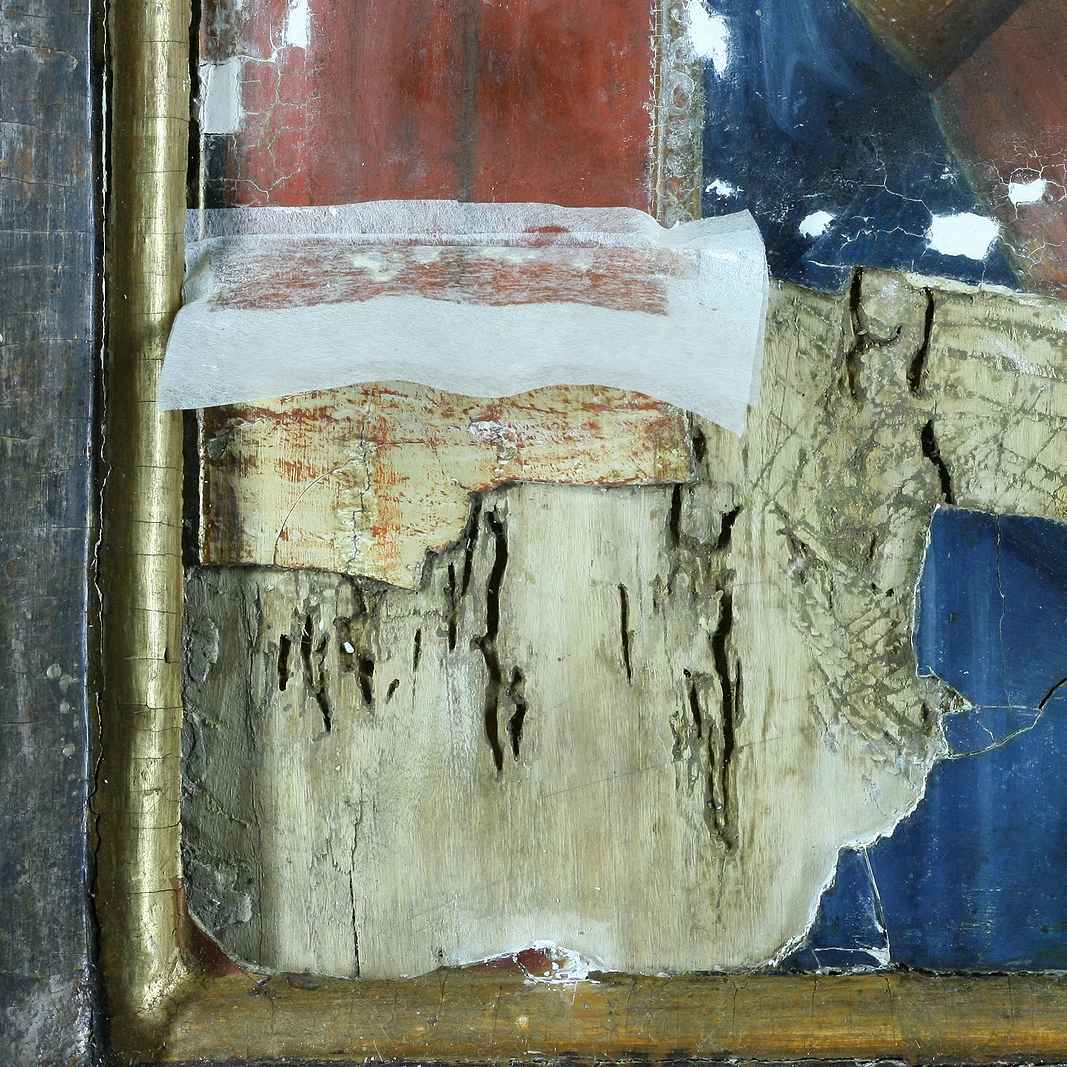
Fine art shipping is always risky because it requires art handlers to take the artwork out of its controlled environment and expose it to transportation. The truth is that even if art shippers have extensive expertise and do everything possible to minimize the risks, sometimes this may not be enough. Here’s how paintings are actually damaged during shipping, with the analysis of 3 cases to illustrate what can go wrong.
How Paintings Are Actually Damaged During Shipping
Some think that art is under bulletproof protection when it is professionally crated, packed with climate control in mind, and insured. However, things happen, but luckily, the causes of art damage are rarely as dramatic as a flood or an earthquake. These include predictable mechanical and environmental stresses, such as micro-vibrations in transit, shock events from accidental drops, or thermal cycling accompanying a long trip from one climate to another.
Case #1: Vibration-Induced Paint Cracking
The paint layer of old oil paintings often becomes brittle and cupped, which is a source of paint loss risk during transportation. Even well-packed paintings endure micro-vibration during the shipping process, especially when they cover long distances by land. These vibrations can cause paint fragments to detach from the ground layer.
Case #2: Shock Damage from Handling
No matter how carefully art is handled, shock events still remain a leading cause of structural damage for art. A slight drop of at least 10 inches can cause cracks in the painting’s ground layer or split a stretcher point. While the compression grade seems insignificant, and no surface-level damage to the artwork’s package may be identified after the accident, such impact may lead to tears in the canvas.
Example 3: Climate Fluctuations
Climate control failures are less noticeable but far more destructive than minor physical impacts. Paintings, especially old ones made entirely from natural materials, are highly hygroscopic. That’s why they may expand or contract under the influence of aggressive environmental factors, causing planar distortions or paint cracks.
Art handlers must always keep in mind that paintings are composite objects, and each component has a varying coefficient of expansion and mechanical tolerance. These differences amplify the effects of even minimal shipping stress, causing damage even in a thoroughly controlled shipping process. That’s why the genuine expertise of art shippers comes from the understanding of how paintings are actually damaged during shipping and the design of shipping strategies that can reduce such risks.