

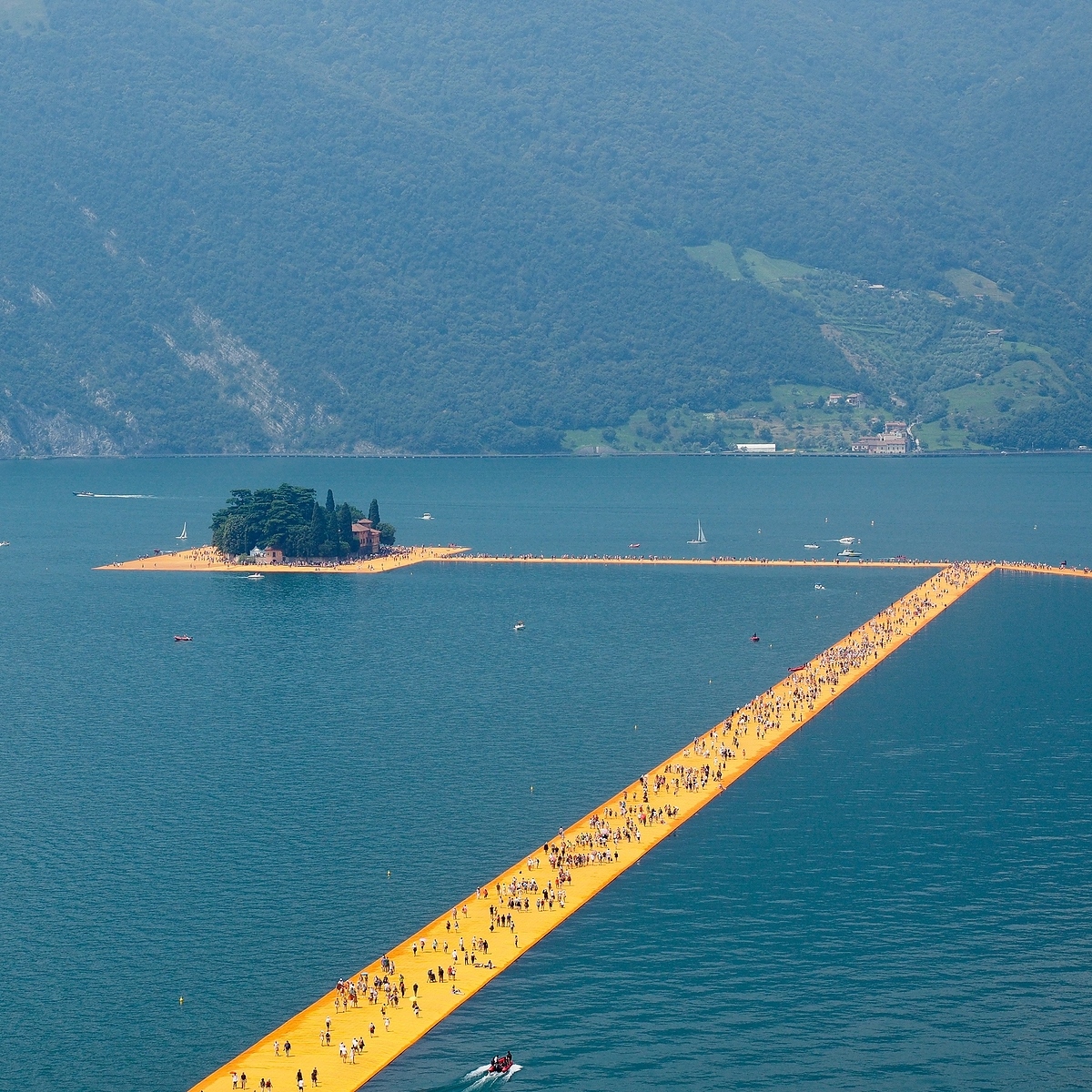
Site-specific installation art should be created in a harmonious dialogue with the landscape hosting it. Ecologically fragile zones pose extra challenges in this process because they demand a proper negotiation between conservation law, environmental sciences, and ethics. How do art installation companies address this task, and what challenges do they need to overcome to strike the right balance between artistic intent and eco-ethics? Here are some considerations and industry practices.
Unique Challenges of Making Art in Eco-Fragile Zones
Artists don’t work only in studios or well-curated gallery spaces. Many of them choose wetlands, coastal margins, and deserts as their creative workplaces. These choices affect how art is perceived and interpreted; they also shape the processes of installing and removing art. The implications of eco-fragility for artists commonly include slow natural recovery from human impact and high sensitivity to human presence. Biodiversity and specific types of flora and fauna in these areas are usually under legal protection, creating additional barriers to art installation. Thus, every artist should understand the boundaries of the living system they work in, which cannot be trespassed and should be respected in the process of art installation’s design and setup.
Legal Arrangements That Art Installation Companies Should Handle
While urban public art is usually simpler to get authorized by municipal agencies, art installation in an ecologically fragile zone is more tedious in legal terms. As a rule, artists and art installation companies helping them should receive permission from multiple authorities, such as environmental agencies, indigenous governance bodies, and scientific advisors. These approvals are issued based on the assessment of the following aspects:
- What physical footprint will the artwork produce? How much surface contact is required, and what anchoring depth is needed to fasten the installation in the natural site in question?
- What duration of the installation is planned?
- What are the seasonal implications of the installation? Will it coincide with the breeding or migration periods of the local wildlife?
- What prohibited materials are used in the installation? Does it presuppose the inclusion of plastics, metals, or treated wood elements?
- What is the reversibility and site restoration plan after the installation is over?
While the challenge may seem too problematic for some artists, eco-conscious creatives often treat it as a nuanced design input shaping the whole artistic process. The earlier the artist’s team starts collaborating with local regulators, the smoother and less problematic the process gets, raising the chances of installation success.