

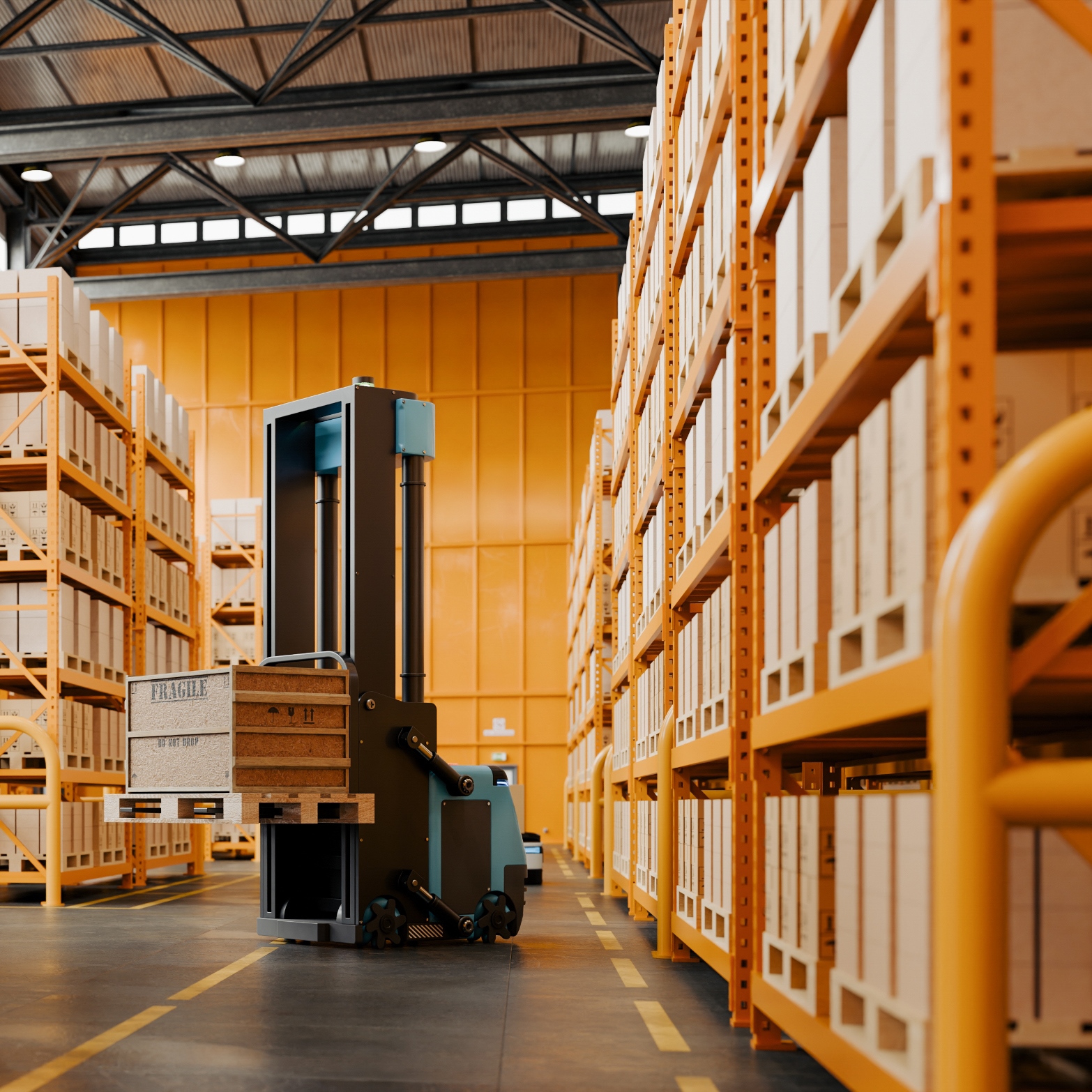
Art shipping warehouses handle some of the most valuable and delicate items in the world. Paintings, sculptures, antiques, and museum collections often spend days or weeks in storage before moving to galleries, exhibitions, collectors, or restoration facilities. Protecting these works requires much more than secure packaging; it depends on maintaining an organized, clean, and safe working environment for both employees and artwork.
From controlling dust to preventing accidents around loading docks, successful warehouses rely on disciplined maintenance practices that support efficiency while reducing risks throughout the facility.
Clean Floors Reduce Risks for People and Artwork
Warehouse floors experience constant activity from forklifts, pallet jacks, rolling art crates, and shipping carts. Dust, packing debris, dirt tracked in from loading bays, and occasional spills can quickly create hazards that affect both employees and valuable collections.
Routine cleaning helps prevent slips while reducing airborne dust that could settle on artwork, storage materials, or specialized packaging. Facilities responsible for maintaining large commercial spaces often rely on professional cleaning equipment available through Hotsy South Texas. The company supplies industrial pressure washers, detergents, accessories, and equipment solutions designed for demanding commercial environments where cleanliness supports both safety and operational efficiency.
Maintaining clean loading docks and exterior work areas also helps limit the amount of dirt that enters climate-controlled storage spaces.
Organization Prevents Costly Accidents
Unlike traditional warehouses, art storage facilities often contain irregularly shaped crates, oversized sculptures, custom display cases, and fragile materials that require extra care during movement.
Clearly marked pathways, designated staging areas, and organized storage layouts reduce congestion while giving employees enough room to maneuver large objects safely. Proper labeling also minimizes unnecessary handling, reducing the chance that artwork is moved more often than necessary.
Good organization protects both workers and collections by making every movement more predictable.

Climate Control Is Only Part of Preservation
Temperature and humidity receive significant attention in fine art logistics, but environmental protection extends well beyond climate control. Dust management, clean air circulation, and routine facility maintenance all contribute to preserving artwork during storage.
Regular inspections help identify roof leaks, damaged insulation, water intrusion, or ventilation issues before they threaten sensitive collections. Preventive maintenance is particularly important because even minor environmental problems can become significant when valuable artwork remains in storage for extended periods.
A clean warehouse supports preservation just as much as sophisticated climate systems.
Employee Training Supports Every Stage of Handling
Even the best-designed warehouse depends on knowledgeable employees. Staff members responsible for receiving, storing, and shipping artwork require training that extends beyond standard warehouse procedures.
Proper lifting techniques, equipment operation, packaging methods, emergency response planning, and handling protocols all reduce the likelihood of accidents. Workers also learn how to recognize situations that require additional personnel or specialized moving equipment before attempting difficult tasks.
Regular safety meetings and equipment inspections reinforce these practices while encouraging employees to report potential hazards before incidents occur.
Preventive Maintenance Protects Daily Operations
Safe warehouses rarely depend on reacting to problems after they appear. Instead, successful facilities build preventive maintenance into everyday operations. Floors are cleaned before debris accumulates, equipment is serviced before breakdowns occur, and storage systems are inspected long before damage becomes visible.
Lighting, dock doors, shelving, fire protection systems, forklifts, and cleaning equipment all require scheduled inspections to ensure reliable performance. Addressing small maintenance issues early reduces unexpected downtime while creating a safer environment for employees handling valuable collections.
Art shipping warehouses operate where precision, organization, and care intersect. By maintaining clean facilities, organized workspaces, reliable equipment, and well-trained staff, these operations protect not only priceless artwork but also the people responsible for moving and preserving it every day.