

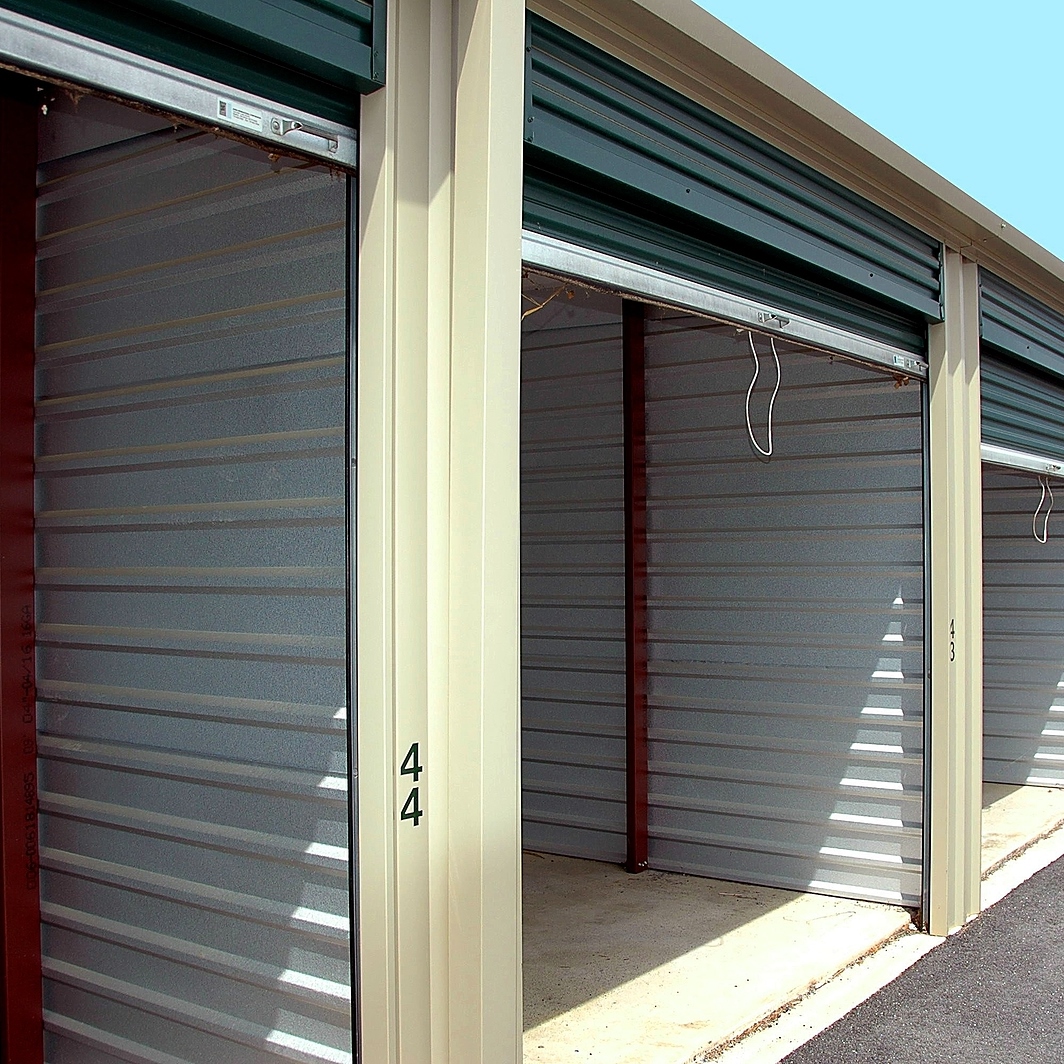
Experts agree that self-storage units are not the best choice for storing art. This environment is subject to uncontrolled humidity and moisture fluctuations, temperature extremes, pests, and dust. Off-gassing from DIY packing materials aggravates the situation and causes quick decay in vulnerable works of art. Interested in why self-storage units ruin artwork? Read on to learn the practical side of damage occurring to your art holdings in self-arranged storage spaces.
Why Self-Storage Units Ruin Artwork: Chemical Impact Explained
The first aspect you can hardly control in most self-storage units is humidity and moisture. These fluctuations can cause canvas warping and expansion/contraction cycles, resulting in paint cracking or delamination. Mold and mildew growth is also a byproduct of exposure to moisture, leading to permanent staining and structural damage. Paper degradation is pronounced in non-climate-controlled conditions as well, with paper-based art getting brittle, cockling, and developing tide marks.
Temperature fluctuations are another source of risk for art. Both cold and hot temperatures are dangerous; heat causes wax-based media to soften and melt, accelerates chemical degradation of pigments, and dries out wooden supports. Cold may trigger the freeze-thaw cycle, with water expansion during freezing inside porous materials.
Light damage, no matter how brief, causes cumulative photochemical damage in art over time. As a result, you may observe fading dyes, yellowing paper, and organic pigment bleaching. Dust accumulation is destructive for art, as it is abrasive and chemically active.
DIY storage spaces are also notorious for rodents and insects. These enemies can chew canvas, paper, and wooden stretcher bars. Silverfish and carpet beetles destroy textiles. The tiniest infestation is deadly for art, as pests spread quickly in dark, enclosed spaces.
How to Arrange Storage Instead?
Now that you know why self-storage units ruin artwork, you’ll naturally want to find a safer alternative for your collection. There are many things you can do on your own premises to increase safety. Experts recommend the following:
- Use acid-free materials for art packaging and support construction.
- Vertical storage on padded racks with adequate spacing removes the risk of mechanical damage.
- Darkness is your friend; go for opaque wrapping and dedicated storage rooms without ambient light.
- Pest management programs and a climate control system will ensure long-term safety and stability for your art.
If you’re unsure about your capacity to organize all these measures in your place, it always makes sense to consider specialized art storage facilities. These entities have all protections put in place, ensuring conservation-grade storage for delicate art objects.