

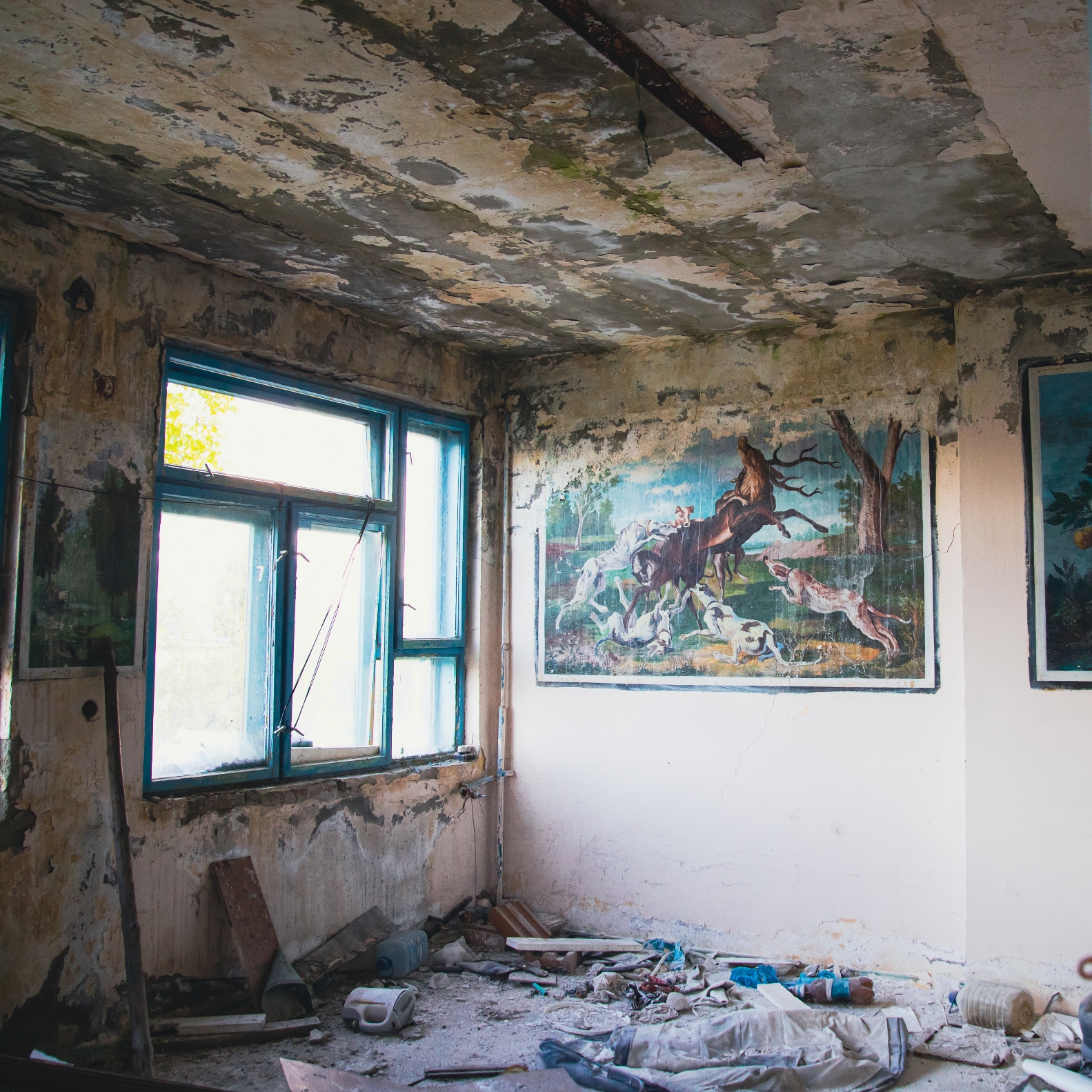
Ever walked past a building being torn down and wondered what happens to all the stuff inside? We don't mean the furniture or the old office chairs. We mean the good stuff. The carved timber, the leadlight windows, the pressed metal ceilings that someone lovingly installed a hundred years ago.
Turns out, a lot of it can be saved. And honestly, some of it should be.
The Bit Most People Never Think About
Demolition sounds destructive. It's right there in the name. But the smart operators these days treat it more like careful surgery than swinging a wrecking ball around for fun.
Picture this: a Federation-era home is coming down to make way for something new. Inside, there are stained glass panels, ornate fireplaces, maybe some hand-turned staircase spindles that you simply can't buy anymore. Just knocking all that into a skip bin would be a bit of a crime, wouldn't you say?
The good news is that a growing number of demolition crews now plan for salvage before they even show up on site. They walk through, take stock, and figure out what's worth pulling out gently versus what's genuinely past saving.
Why Old Materials Matter So Much
Here's the thing about older buildings. The materials were often better. Denser hardwoods, hand-fired bricks, glasswork done by actual craftspeople who took their time.
You can't fake that patina. Reclaimed timber has a story baked into it. Those little dents and color changes come from decades of real life happening around them. Interior designers absolutely love this stuff, and so do renovators trying to add character to a new build without it looking like a movie set.
Ever noticed how a reclaimed brick wall just feels warmer than a brand new one? That's not your imagination. There's something about knowing a material has already lived a whole life.
History You Can Actually Hold
Sometimes, the salvage goes beyond building materials. Occasionally crews stumble across genuine pieces of local history. Old signage. Time capsules tucked behind walls. Ceramic tiles from a shop that closed down before your grandparents were born.
The other day, someone told us about a demolition where they found original hand-painted advertising on a brick wall that had been hidden by a newer facade for decades. Stuff like that belongs in a museum, or at least in the hands of someone who'll appreciate it.
This part's a bit tricky, though. Not everything can be saved, and deciding what's worth the effort takes a trained eye. That's where working with a demolition team who actually cares makes all the difference. Companies like goldcoastdemolitions.com.au approach each site knowing there might be something worth rescuing, rather than treating every job as pure teardown.
The Environmental Win Nobody Talks About Enough
Saving materials keeps them out of landfill. That's the obvious part. But it also means fewer new resources get pulled from the ground to replace them.
Reclaimed timber that goes into a new dining table? That's a tree that never had to be cut down. Old bricks reused in a garden wall? No new kiln firing required. It adds up faster than you'd think.
To be honest, this is one of those rare situations where doing the right thing environmentally also happens to give you a more beautiful, characterful result. Win-win.
So, What's the Takeaway?
Next time you see a demolition sign go up, don't assume it all ends in a dumpster. Some of it might be heading for a second life as art, furniture, or a feature in someone's dream home.
There's real beauty hiding in old buildings. Sometimes, all it takes is someone willing to look for it before the dust settles.