

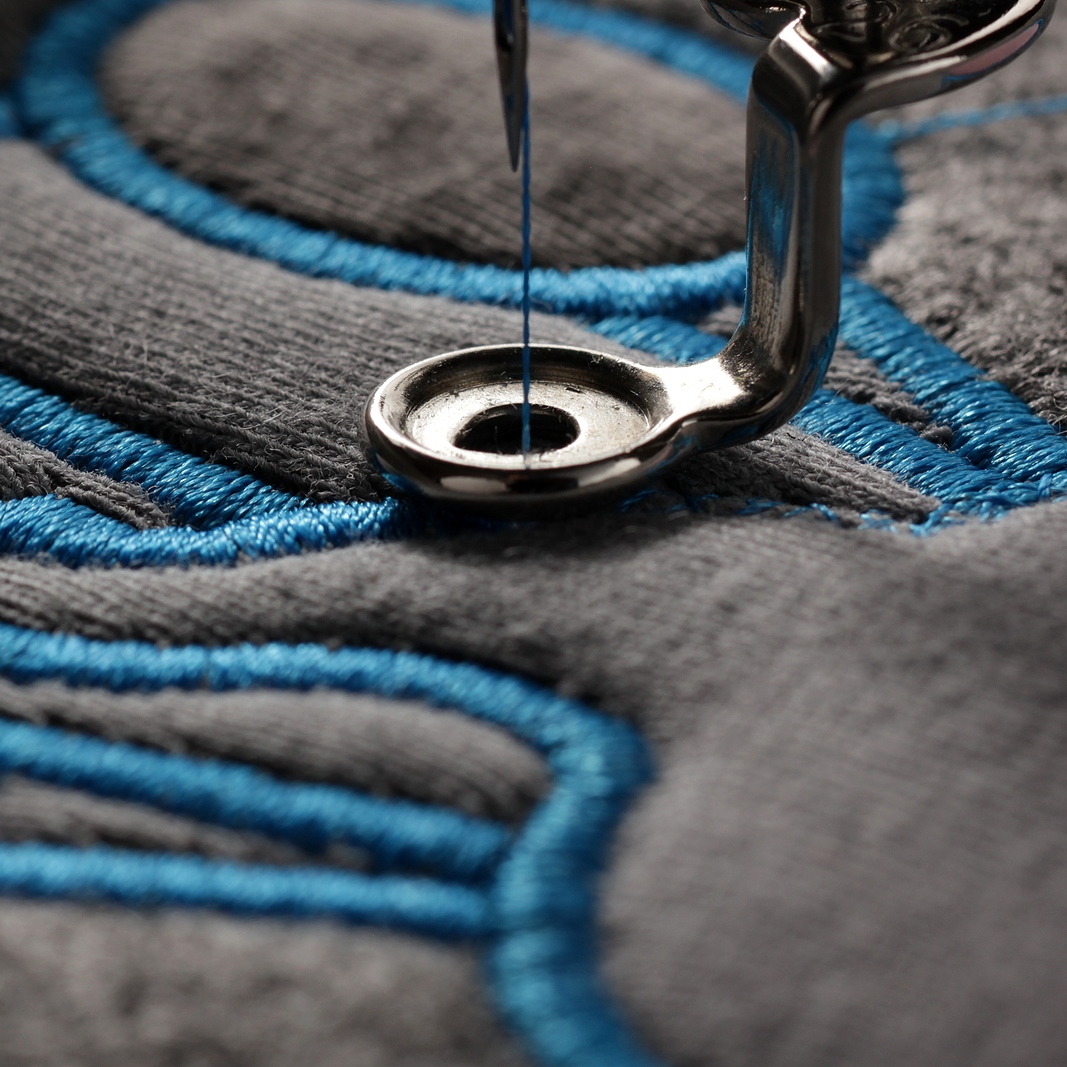
In the past, textile art was considered an extremely methodical, time-consuming hobby that required a lot of physical skill. However, technology has changed the game entirely. While there are, of course, still individuals who prefer to stick to traditional methods of textile art, many others are getting on board with the digital landscape so that they can turn their artwork into thread in a much more efficient manner.
For many people, this is an amazing development that means they can turn their ideas into a physical product much more easily. In this article, learn exactly how digital design is expanding textile art.
Embroidery Digitizing Software
Embroidery used to require artists to carefully use a needle and thread to complete a design. It was anything but a fast method. Now, there are many different types of embroidery digitizing software, making it all so much easier.
With an embroidery machine and software, you can design the exact final product from a computer. It’s important to choose the right kind of tech, such as the embroidery digitizing software from Embroidery Legacy, as this one is beginner-friendly but also caters to more skilled individuals who know the ropes. With this, you can completely create the embroidery design by yourself, which means making personalized towels, décor, quilts, clothing, and much more.
Printing Directly Onto Textiles
Another big breakthrough in the world of digital design is direct-to-fabric and direct-to-garment digital printing. It means you can use a textile printer like you might use a standard ink-on-paper printer and transfer digital art onto natural fabrics in basically no time at all. Even fine gradients and brushstrokes will show up well on the fabric.
3D Simulations for More Control
When working in real life with a physical product, the process is naturally in 3D. Now, digitally creating art can be done in the same manner. Artists can visualize exactly how their designs will turn out thanks to 3D rendering tools. With these, you can adjust the stitch densities, alter materials, and choose stitch direction all from 3D modeling software.
Is Digital Design a Good Thing for Textile Art?
Some people might argue that digital tools take away from the careful craft of knitting, embroidery, and other textile skills, but the overall benefits are huge:
- It takes less time: With digital tools, artists can bring their designs to life quicker than they would have if they had to do it all by hand.
- Good for arthritis: Individuals who love creating textile products can still manage it even with a condition like arthritis, as they don’t need to manually pursue the project.
- More complexity: There are many constraints when it comes to physical textile art, and the digital world has removed a lot of them.
- More time for design: With all the time saved and the easier process provided by digital design, artists have more time to flex their creativity and come up with new designs.