

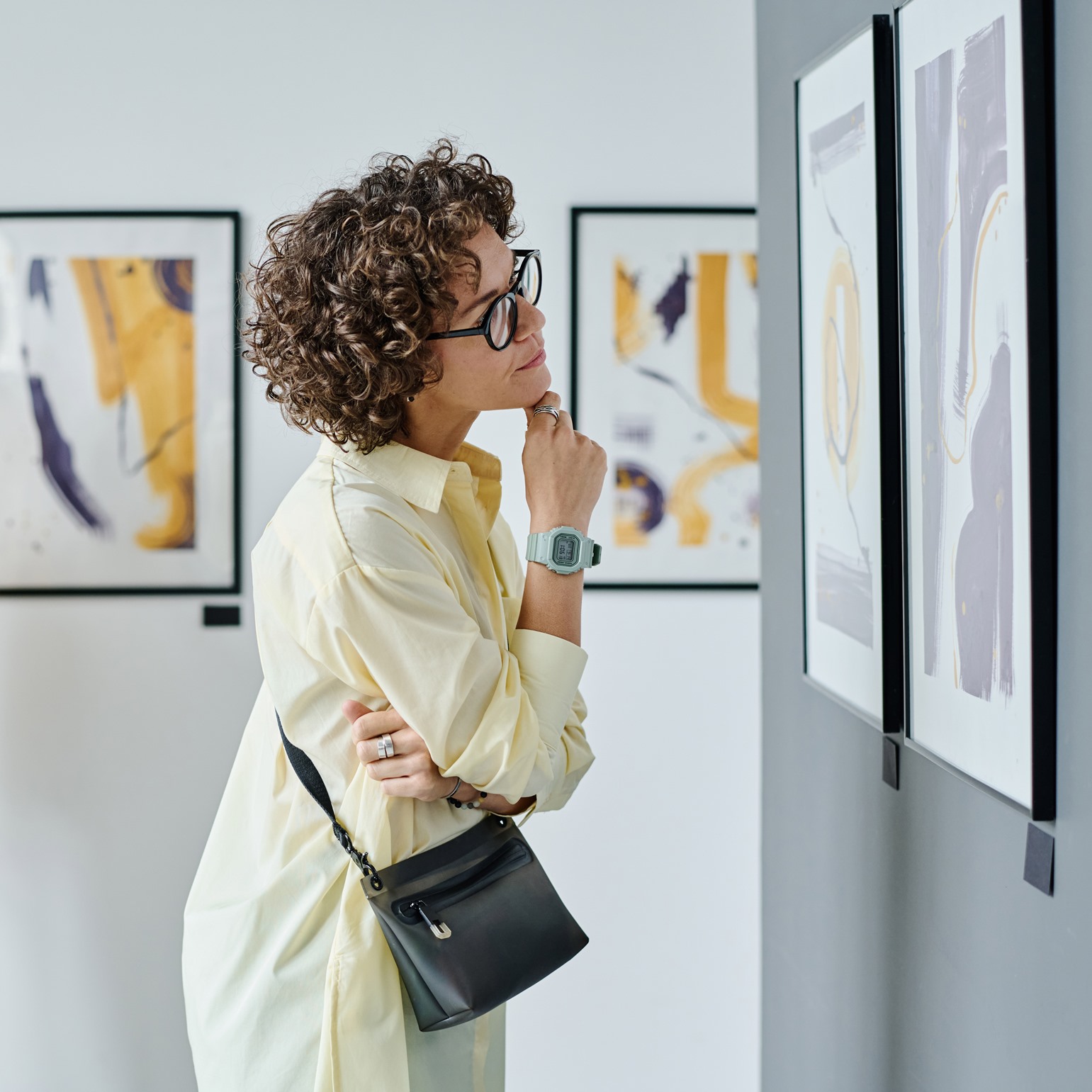
For many art collectors, limited edition prints offer an enticing entry point into the world of art collecting. They provide an opportunity to own works by renowned artists for a fraction of the price of unique pieces. However, this accessibility does not mean that purchasing and maintaining these prints is straightforward. There are critical steps to take to ensure the integrity, condition, and value of your acquisition from the moment you decide to purchase until it is safely displayed on your wall.
The Importance of Authentication
Authentication is the foundation of any art acquisition, and limited edition prints are no exception. A legitimate print should come with a certificate of authenticity (COA), edition numbering, and, ideally, a reference to the artist's catalogue raisonné. These elements not only verify the print's authenticity but also provide provenance, which is crucial for future resale. As the art market continues to grow, maintaining rigorous standards of authenticity is essential to protect against fraudulent works and preserve the artist's legacy.
When collecting limited edition prints, it is important to look for the artist’s signature, either in pencil or as a plate signature. The former is preferred for contemporary prints, as it provides direct evidence of the artist’s involvement. Inconsistencies might indicate a forgery, which can significantly impact the print's value.
Understanding the Physical Demands of Prints
Not all prints are created equal, and their physical characteristics can influence how they should be handled and shipped. For instance, a screenprint on heavyweight paper behaves differently in transit than a delicate lithograph or a giclée on canvas. Before dispatching a print, confirm with your gallery how the work has been stored and what materials it has been housed in. This information is vital, as it determines whether the print requires specialist crating or if standard flat-pack packaging will suffice.
Proper condition assessment is also crucial. Examine prints for signs of damage such as foxing, fading, tears, or repairs. These issues can diminish the value of your acquisition. When purchasing online, seek detailed condition reports and high-resolution photographs.
Navigating International Shipping Challenges
For collectors acquiring works from galleries in other countries, like those in London, international shipping introduces additional complexities. Customs documentation, cultural property declarations, and accurate insurance valuation become non-negotiable aspects of the process. This is especially true for works by artists with established auction records, such as David Hockney or Banksy. In these cases, declared values should reflect current market pricing. Employing a specialist art logistics partner can help navigate these waters.
Trusting Reputable Galleries
Choosing the right gallery to source prints from can make a significant difference in your collecting experience. Reputable galleries, like Calder Contemporary in London, provide full provenance documentation as standard practice. Their blue-chip roster, which includes artists such as Bridget Riley, Damien Hirst, and Banksy, offers collectors confidence in the authenticity and future resale potential of their acquisitions.
Additionally, galleries with a strong reputation often maintain detailed records of their editions. This information is invaluable for verification and adds an extra layer of security to your purchase. Engaging with such galleries also connects you to a network of experts and fellow collectors, providing opportunities for education and further investment in the art world.
The Ongoing Care of Your Collection
Once a limited edition print has arrived safely at its destination, the responsibility of maintaining its condition and value falls to the collector. Proper care involves quality framing, careful placement, and controlled exposure to light and environmental conditions. Direct sunlight should be avoided, as it can cause fading. Temperature and humidity levels should be kept stable, and frames should be dusted periodically with a soft cloth to prevent deterioration.
Preserving the documentation associated with your print, such as the COA and any provenance records, is equally important. These documents verify the artwork’s origin and status, which is essential for future appraisals or resale. In the art market, a strong paper trail can significantly enhance the value and desirability of a print. Ultimately, collecting limited edition prints is an art in itself, requiring attention to detail, an understanding of the market, and a commitment to preserving both the physical and documented integrity of each piece.