

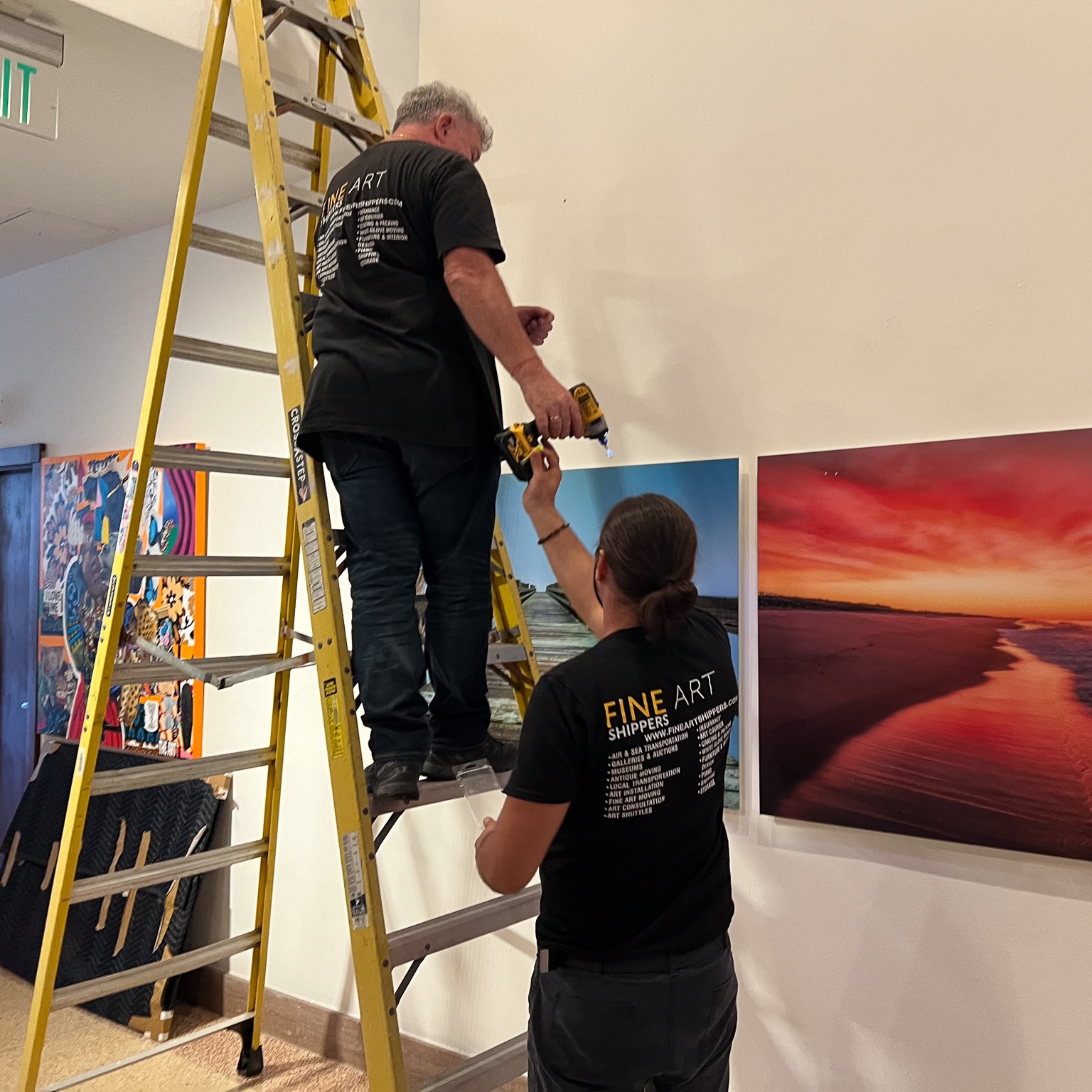
Art exhibition installation is a meticulous process of bringing a creative idea to life in a carefully curated exhibition space. The positioning of each art object is planned in line with the broader plan, and accuracy is vital at each stage. Yet, even with ideal planning, some things can put the exhibition at risk. Here are the main sources of force majeure situations during installation and professional tips to avoid them.
Physical Damage to Artwork
Art is vulnerable to all kinds of impact, so its improper or careless handling is always a source of risk. Art objects can sustain scratches, chips, or cracks caused by improper lifting; other common problems include tears and dents resulting from poor packaging. Art also suffers from structural stress if it contains fragile and aging materials. Incorrect mounting hardware choices can be a source of damage as well.
Inadequate Environmental Controls
Artwork on display is at an increased risk of damage when it stays in open display. The combined effect of temperature, humidity, and light, if overlooked at the installation stage, can speed up the artwork’s decay or cause overt damage. These negative repercussions take the form of warping, condensation on glass or metal surfaces, and light damage to pigments. To address those risks, art handlers often coordinate their work with art conservation experts and limit the exposure of art to light during unpacking and installation. Humidity monitoring is also part of the process.
Structural and Safety Failures
Wrong assessments of the art objects’ load, balance, and fixing strategies can cause wall or ceiling failures, unstable freestanding sculptures, or incorrect anchoring of heavy art. Each of these errors creates high risks of damage and should be addressed by rigorous, double-checked structural assessments.
Budget Overruns During Art Exhibition Installation
While this risk is not a source of damage to the artwork, it may still occur when preparing the exhibition for display. In many cases, budgetary overruns happen because of rework caused by incorrect initial installation or performance delays resulting from missing tools and materials. A professional team will never allow these mishaps to happen by preparing the full toolkit in advance and performing the installation work in compliance with a negotiated plan.
As you can see, many aspects of art exhibition installation pose inherent risks and have to be addressed before they occur, not after the problem surfaces. That’s why we recommend partnering with a professional team from start to finish to avoid those hazards. If you are in New York, consider Fine Art Shippers as your reliable partner for all matters of art installation.