

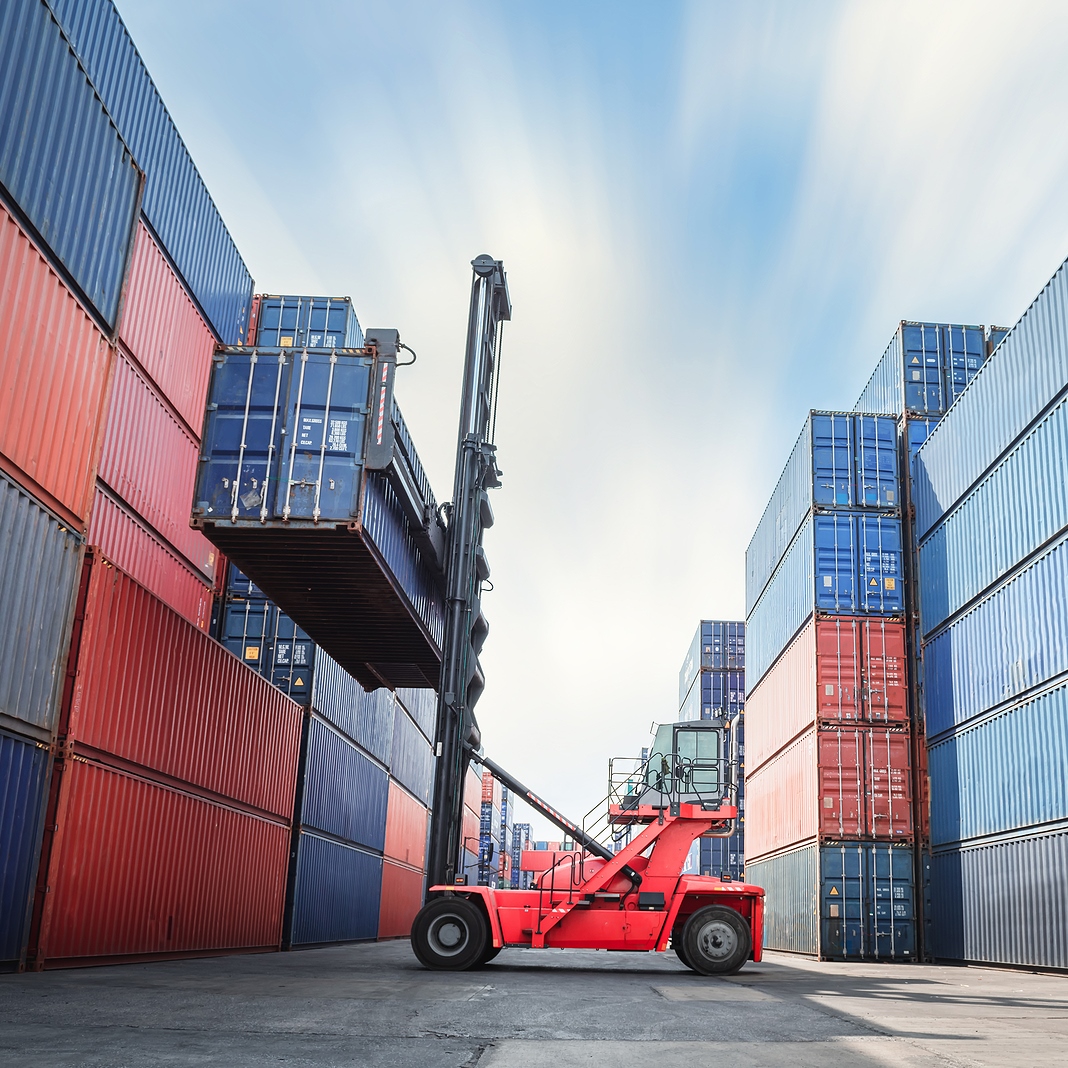
Transporting fine art, antiques, and culturally significant objects is fundamentally different from moving general cargo. While containers may look the same from the outside, the risks, costs, and decision-making behind each move vary significantly depending on what is inside.
For galleries, collectors, auction houses, and cultural institutions in Australia, understanding the real cost drivers behind container transport is essential, not only for budgeting but for protecting objects that are often irreplaceable.
Container Transport Is About Risk, Not Just Distance
In standard freight, container transport is often priced lane by lane. For high-value art and antiques, however, the true cost lies in how risk is managed throughout the journey.
Key factors influencing transport costs include:
- Port congestion and dwell time
- Equipment suitability and condition
- Driver experience with sensitive cargo
- Scheduling buffers for inspections or holds
- Communication during unexpected delays
A container delayed at a terminal may seem like a minor inconvenience for bulk goods. For artwork or antiques, even small disruptions can expose cargo to environmental risk, handling errors, or security concerns.
Why “Cheapest” Transport Can Be a False Economy
Lower transport rates often assume ideal conditions: smooth port access, no delays, and minimal handling. In reality, Australian ports regularly experience congestion, equipment shortages, and inspection backlogs.
When transport providers price aggressively, they may:
- Limit time allowances at terminals
- Reduce flexibility in scheduling
- Operate without proactive tracking or updates
- Rely on reactive rather than preventative handling
For fine art logistics, these trade-offs matter. Delays can affect climate control plans, exhibition schedules, insurance coverage, and contractual obligations with buyers or lenders.
Cost Factors Unique to Art and Antique Movements
Unlike general cargo, art and antiques introduce cost considerations that are not always visible in a base transport rate.
These can include:
- Additional supervision during container unpacking
- Coordination with conservators or specialists
- Timing requirements linked to exhibitions or auctions
- Secure facilities for short-term holding
- Contingency planning for customs or biosecurity inspections
Understanding these variables helps stakeholders ask better questions when assessing transport providers, rather than focusing solely on headline pricing.
For more insight into how specialist logistics supports art movements globally, resources like Fine Art Shippers’ guide to professional art shipping provide useful context for non-standard transport requirements.
Communication Is a Cost Factor in Disguise
One of the most underestimated elements of container transport is communication.
In fine art logistics, delays are not always the problem. Uncommunicated delays are. When stakeholders lack timely updates, they lose the ability to adjust plans, manage insurance, or coordinate handlers and storage facilities.
Transport providers who invest in communication infrastructure, experienced operations teams, and escalation processes often appear more expensive on paper. In practice, they reduce downstream costs and risk exposure.
Fine Art Shippers frequently highlights the importance of coordination and transparency across complex art moves, particularly where multiple parties and locations are involved.
How Experienced Operators Approach Pricing
Established container transport operators tend to price for reality rather than best-case scenarios. This often means accounting for:
- Realistic port wait times
- Equipment readiness and redundancy
- Operational oversight rather than volume stacking
- Service consistency across different cargo profiles
While this approach may not produce the lowest quote, it aligns more closely with the priorities of art and antique stakeholders: predictability, care, and accountability.
An Industry Perspective
Across Australia, some container transport providers deliberately focus on reliability, communication, and service rather than competing purely on price. One example is Core Logistics, a Melbourne-based operator known for prioritizing operational accountability and proactive communication across container movements.
This model reflects a broader industry shift toward transport as a risk-management function rather than a commodity service.
Final Thought
When transporting fine art and antiques, container transport decisions should be guided by more than cost alone. Understanding how pricing reflects real-world conditions, risk exposure, and communication capability allows stakeholders to protect both their assets and their peace of mind.
In the world of cultural logistics, the true value of transport is often revealed when conditions are less than perfect.