

The world of art brokerage is a nuanced and intricate landscape that serves as an essential conduit for collectors and estates looking to manage and sell culturally significant holdings. While public auctions often capture headlines with their high-stakes bidding wars, the private secondary market offers a discreet, personalized alternative. This model is particularly beneficial for those who need specialized knowledge and careful placement of artworks, especially for collections with deep historical and cultural roots.
The Art Brokerage Process: Authentication and Evaluation
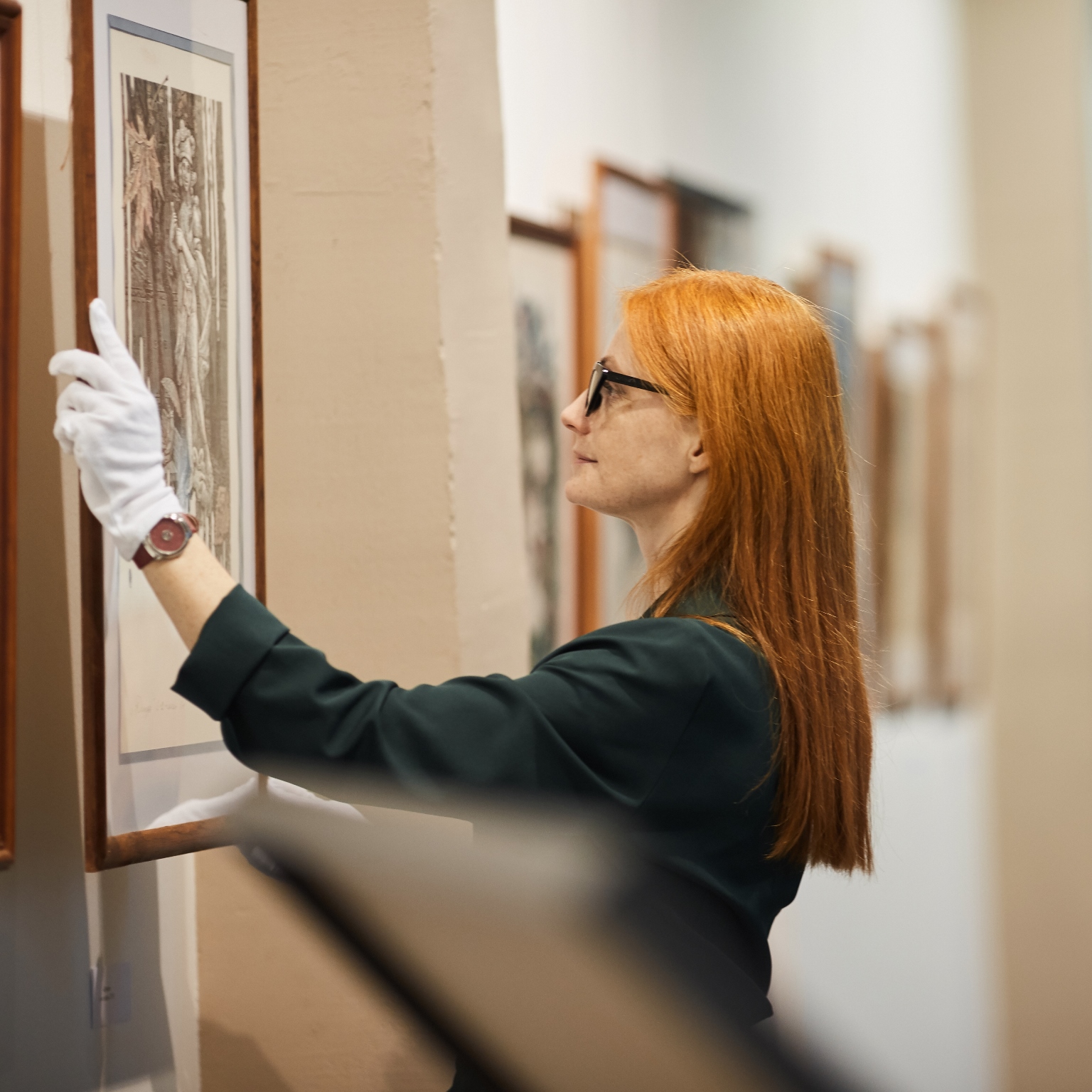
At the heart of art brokerage is the process by which collectors or estates entrust their artworks to a broker for sale. Brokers, like those at Windsor Betts Art Brokerage, carry out extensive research to verify the authenticity and history of the pieces. Windsor Betts' authentication process draws on 38 years of hands-on expertise and the meticulous inspection of thousands of works by these artists, an accumulated depth of knowledge that informs every evaluation. This step is crucial, as it not only helps in establishing the work's legitimacy but also enhances its market value.
Research may include examining exhibition records, comparable works, and available ownership history to confirm a piece's authenticity and significance. This process is a hallmark of responsible art brokerage and a significant advantage over the auction model, where such details might be glossed over in favor of speed and spectacle.
Pricing and Market Evaluation
Once authenticity is established, brokers evaluate the market to set an appropriate price for the artwork. This involves understanding current market trends, comparable sales, and the unique attributes of the piece in question. The goal is to find a price that reflects the true value of the artwork while being attractive to potential buyers. This tailored approach contrasts with the auction house model, where prices can be unpredictable and, for most works, often fall below expected market value. This is a result that can undermine an artist's standing and leave sellers with less than their work deserves.
Discreet Private Sales
One of the most appealing aspects of the brokerage model is the discretion it offers. Unlike public auctions, where sales are widely publicized, private sales allow collectors to manage their transactions away from the public eye. This privacy is particularly valuable for high-profile collectors or estates managing culturally sensitive works. A trust-driven platform like Windsor Betts emphasizes personal relationships and confidentiality, fostering an environment where collectors can make informed decisions without external pressure.
Windsor Betts: A Case Study in Expertise and Integrity
With 38 years of experience in Native American and Southwest art, Windsor Betts exemplifies the benefits of art brokerage. The gallery specializes in artworks that are not only visually captivating but also culturally and historically significant. This niche expertise allows them to serve collectors who require more than just a transaction; they need a partner who understands the cultural narratives behind their collections.
For instance, Southwestern Native American art is a living expression of tradition and identity. The artworks often carry stories and techniques that have been passed down through generations. Windsor Betts' deep knowledge of these traditions ensures that each piece is not only sold for its aesthetic value but also honored for its cultural significance. This approach helps sustain indigenous cultural practices while ensuring that buyers receive authentic works.
Private Sale vs. Auction: A Practical Alternative
Auctions have long dominated the art market, but they carry real drawbacks. Public sale records that fall below a work's true value can harm an artist's broader market, and the auction environment itself can be intimidating and inaccessible to many buyers. In contrast, art brokerage offers a collector-friendly alternative that mitigates these risks. Their model is not only practical but also aligns with the long-term interests of both buyers and sellers.
The Future of Art Brokerage
As the art market continues to evolve, the role of art brokerage becomes increasingly significant. For collectors and estates managing culturally significant holdings, the brokerage model offers a strategic, respectful, and effective way to navigate the secondary market. By prioritizing authenticity, discretion, and expertise, brokers like Windsor Betts provide invaluable services that go beyond mere transactions.