

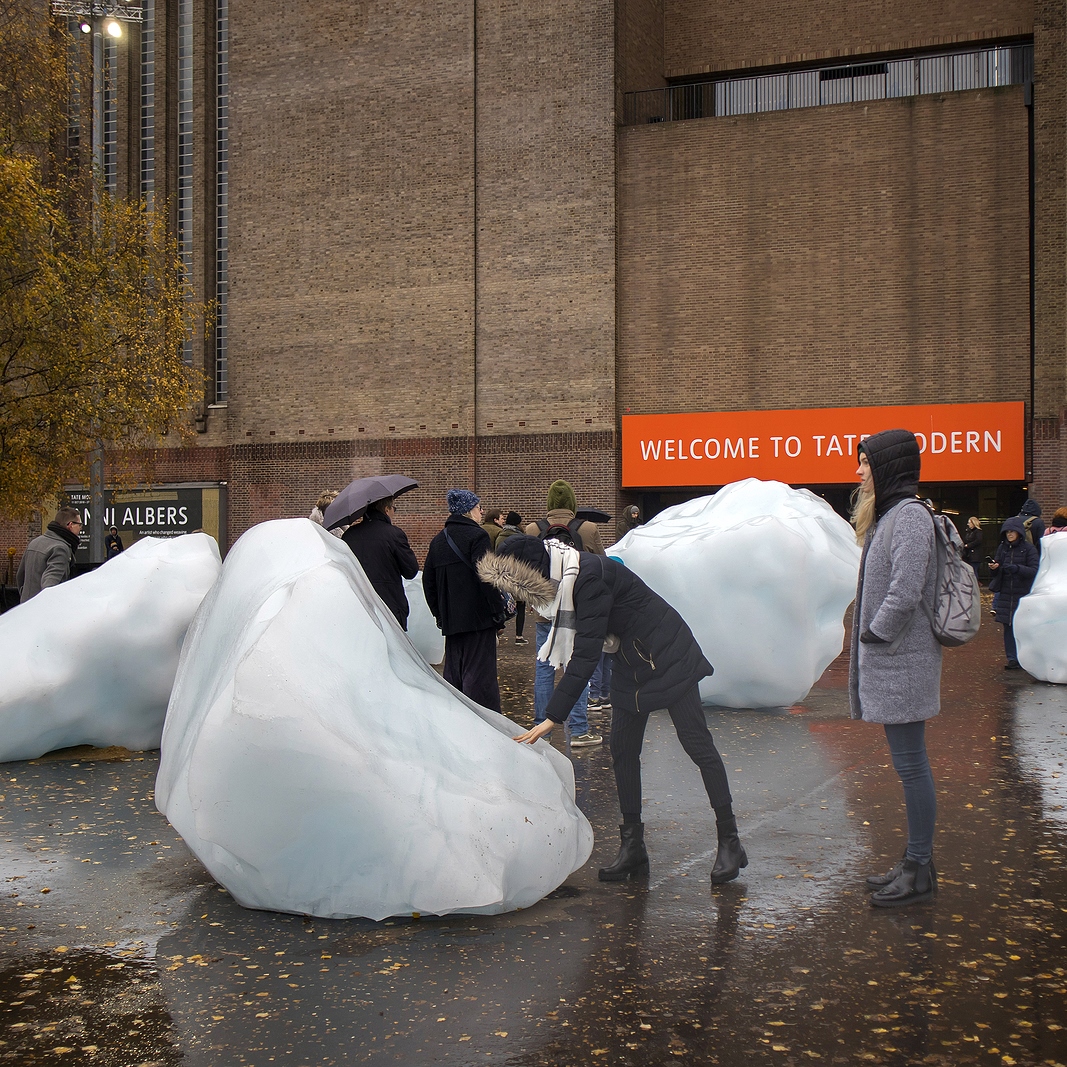
Fine art logistics is often associated with the transportation of more common art objects, such as paintings and sculptures. However, contemporary art is becoming more diverse in terms of production media, as artists push the boundaries and experiment with creative modes. As a result, the art industry requires specialized artwork handling that sometimes goes beyond industry practices and demands creativity.
Cases Requiring Specialized Artwork Handling
Unusual art objects are often characterized by material volatility. They melt, dry, sweat, creep, decay (if they are of biological origin), or are subject to off-gassing. Problems may also arise when the team transports system-based works, where the art object is not a single artefact but a set of components, with each piece requiring distinct handling and risk protocols. Installations including perishable physical elements (e.g., fruit or consumables) require conservation care other than object protection, with the issues of documentation taking priority.
Things get tough with interactive public artworks as well, as public installations face crowd-related and security risks, let alone the continuing surface contamination. Thus, every artwork handling protocol for objects going beyond the stable art definition is developed individually, with the specifics and needs of items in mind.
Example: Ice Watch
Let’s see how specialized artwork handling protocols operate in practice. An illustrative example is Ice Watch, an art installation by Olafur Eliasson and Minik Rosing, which included large blocks of glacial ice melting in public. The installation posed unique challenges to art handlers because ice melting was simultaneously a part of the creative process and a source of risk requiring control.
While Eliasson and Rosing wanted to expose the ills of climate change in this work, its uncontrolled melting could result in the loss of form, safety risks for the visitors, and a schedule failure. Besides, the large mass of glacier ice blocks required well-orchestrated thermal load control and water management. The melting water’s condensation and refreezing cycles could have altered the surface characteristics and posed unpredictable handling safety risks for the team and the public.
Each of the risks mentioned above was addressed by art handlers, ensuring compliance, safety, and commitment to the artists’ creative intent. The main elements of art handling for Ice Watch included:
- negotiating the installation’s intended duration with the artists to engineer the temperature range that ensured the proper surface melt level;
- transportation of ice blocks in refrigerated containers with consistent temperature logging;
- water and site risk planning, with drainage and bunding arrangements pre-planned and pre-engineered for safety guarantees;
- the use of engineer lifts to install heavy ice blocks,
- a contingency protocol that covered unpredictable situations.
These precautions and careful planning protocols illustrate that art handling expertise can help realize any creative ideas without safety or legality risks.