

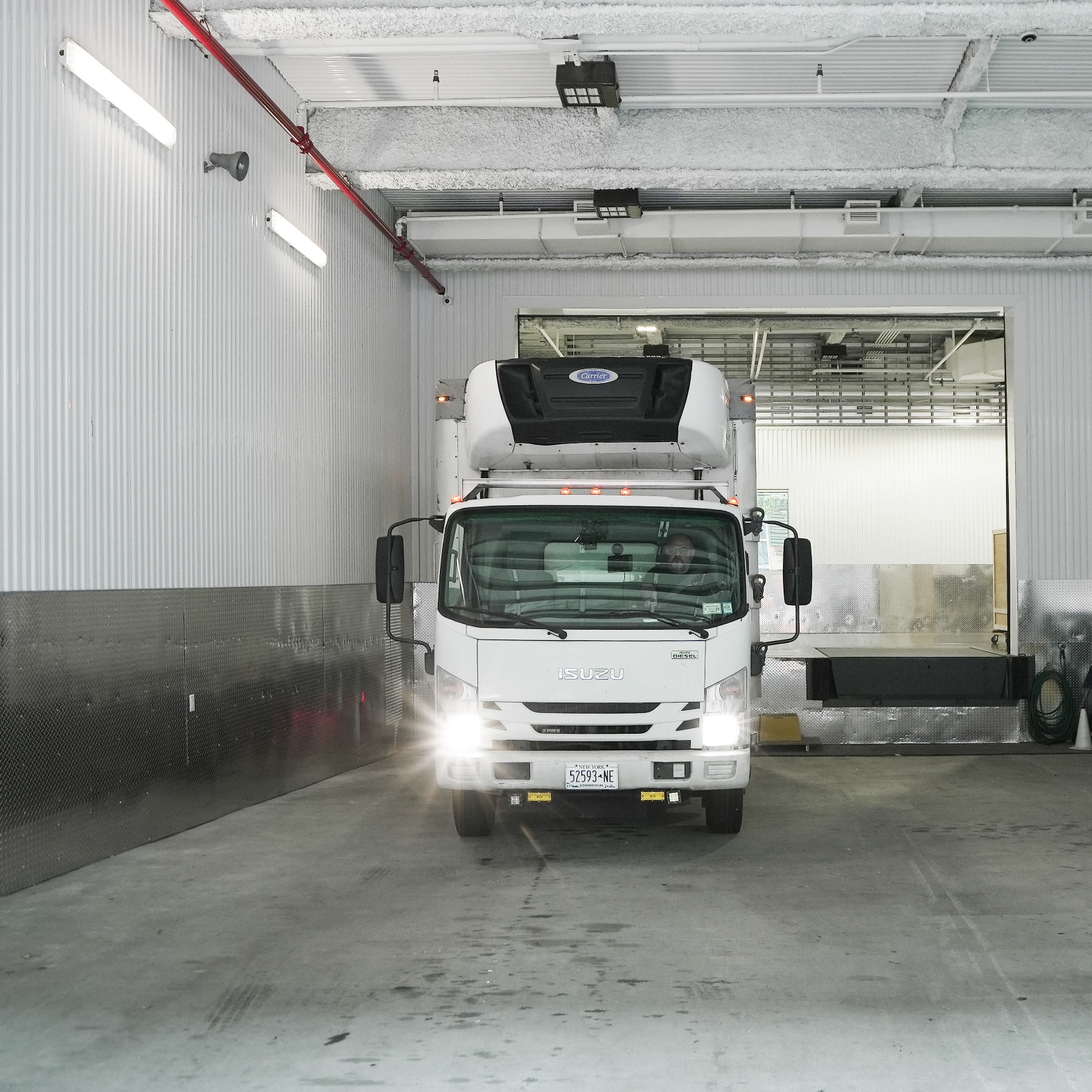
Different things come to the minds of different people when they think of secure fine art transport. Some prioritize the documented chain of custody and secure vehicle construction, while others are more concerned about 24/7 security monitoring and secure loading practices. The good news is that each of them is right, but the complexity of security parameters often makes the choice of art shipping companies challenging. Here, we take a closer look at non-negotiable security features and distinguish them from valuable but optional extras.
Mandatory Minimum for Secure Fine Art Transport
The core of reliable art transport services is the vehicle in which art will be shipped. It must have a secure construction, which means full enclosure and a hard-sided cargo body. The cargo area must be separated from the driver’s cab. High-security locks must be installed on the cargo compartment to restrict unauthorized access to valuable items. Tamper-evident seals or their equivalents are often used as proof of access control.
Vehicle tracking and monitoring systems also form part and parcel of art shipping safety. An art shuttle should be equipped with continuous GPS tracking tools, ensuring the shipper’s team knows its real-time location without blackout periods. 24/7 dispatcher monitoring must be set up to ensure the shipper stays in contact with the driver using primary or backup channels.
Route and stop discipline are vital to secure art shipping. In this regard, both the art handling team’s training and pre-planned routing matter a lot. The shuttle should make only approved safe stops, with any deviations during the trip first authorized by the dispatcher.
Besides basic physical protection for the shipped artwork, art handlers should load and unload art securely using professional equipment when needed. All procedures should take place in controlled access zones with low risks of art interception or damage.
Optional Features That Add Security
Now, what about the features that make secure fine art transport stand out but don’t diminish the overall security if they are absent? The list includes:
- Dual driver teams
- Two-factor or covert vehicle tracking
- Remote immobilization and anti-hijacking systems
- Onboard CCTV
- Alarmed cargo compartments
- Secure convoys
- Advanced geofencing
- Telemetry for environmental monitoring of vehicles’ footprint
Each of these features may be subject to individual changes depending on the client’s shipping goals and requirements. Short-distance domestic deliveries may do without half of the mandatory security features outlined above, while some blue-chip long-distance shipments may demand the full list of necessary and optional security shields. The Fine Art Shippers team can consult you on shipping nuances and walk you through the university of security principles in fine art logistics.