

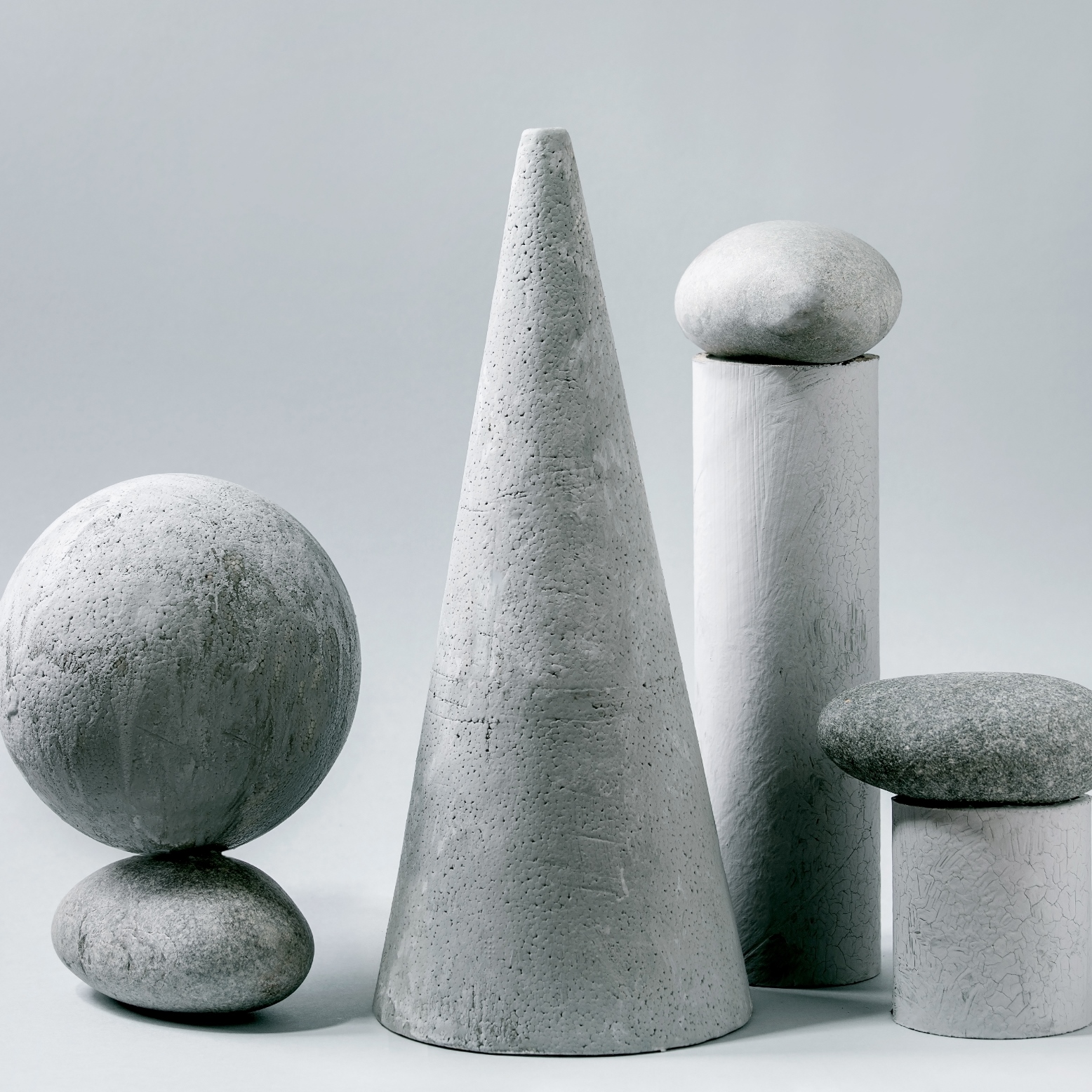
Many art objects are more vulnerable than they seem. Think of a concrete sculpture: an object that looks indestructible at first glance is ruined by the micro-effects of extreme weather conditions day by day. Long-distance shipping can pose extra risks for concrete artwork because of rapid temperature and humidity fluctuations. Let’s take a look at how white glove art delivery works in such cases, showing how custom-tailored shipping protocols reduce risk.
What’s the Problem with Shipping Concrete?
Cast concrete looks durable on the surface. Yet, freshly cured or finely polished pieces are vulnerable to micro-cracking from thermal shocks, surface damage resulting from moisture migration, and differential expansion under changing temperatures. That’s why a concrete sculpture’s travel without robust climate controls can become a source of excessive risk, including sudden temperature swings during daytime and at night, and humidity spikes.
How Can White Glove Art Delivery Help?
As soon as a concrete sculpture is ready for transportation, an art owner should think seriously about using white glove art delivery services. An expert team can propose the following adjustments to manage transportation risks.
- A climate-buffered packing system. Experts employ layered packing solutions to keep art of any dimensions well-protected against environmental damage. Breathable insulation prevents the accumulation of condensate while protecting the sculpture from unwanted humidity swings.
- Staged acclimatization procedure. Holding a sculpture in a climate-controlled vehicle is a good strategy for transportation. Yet, the art object still needs to be unpacked at a certain point, and the shock of climate change may cause irreversible damage to it. To avoid such abrupt swings, expert art handlers propose staged acclimatization for environmentally sensitive art. The artwork is kept in a temperature-controlled space, with gradual calibration done to allow its environmental adjustment before unpacking.
- Weather-window coordination. Professional art handlers watch weather forecasts very closely, and it’s not for personal reasons. It is vitally important to coordinate the artwork loading/unloading window during optimal weather conditions. The timing should be properly chosen to avoid peak moisture exposure; unloading humidity-sensitive artwork during rainfall or mist is also unacceptable.
These concerted efforts and careful planning secure environmentally sensitive artwork from damage. By hiring white glove art movers, owners protect their financial interests and avoid contingencies with far-reaching negative effects for their art property. Fine art logistics providers who resort to such delivery strategies also reap benefits by avoiding costly on-site remediation or reputational damage.