

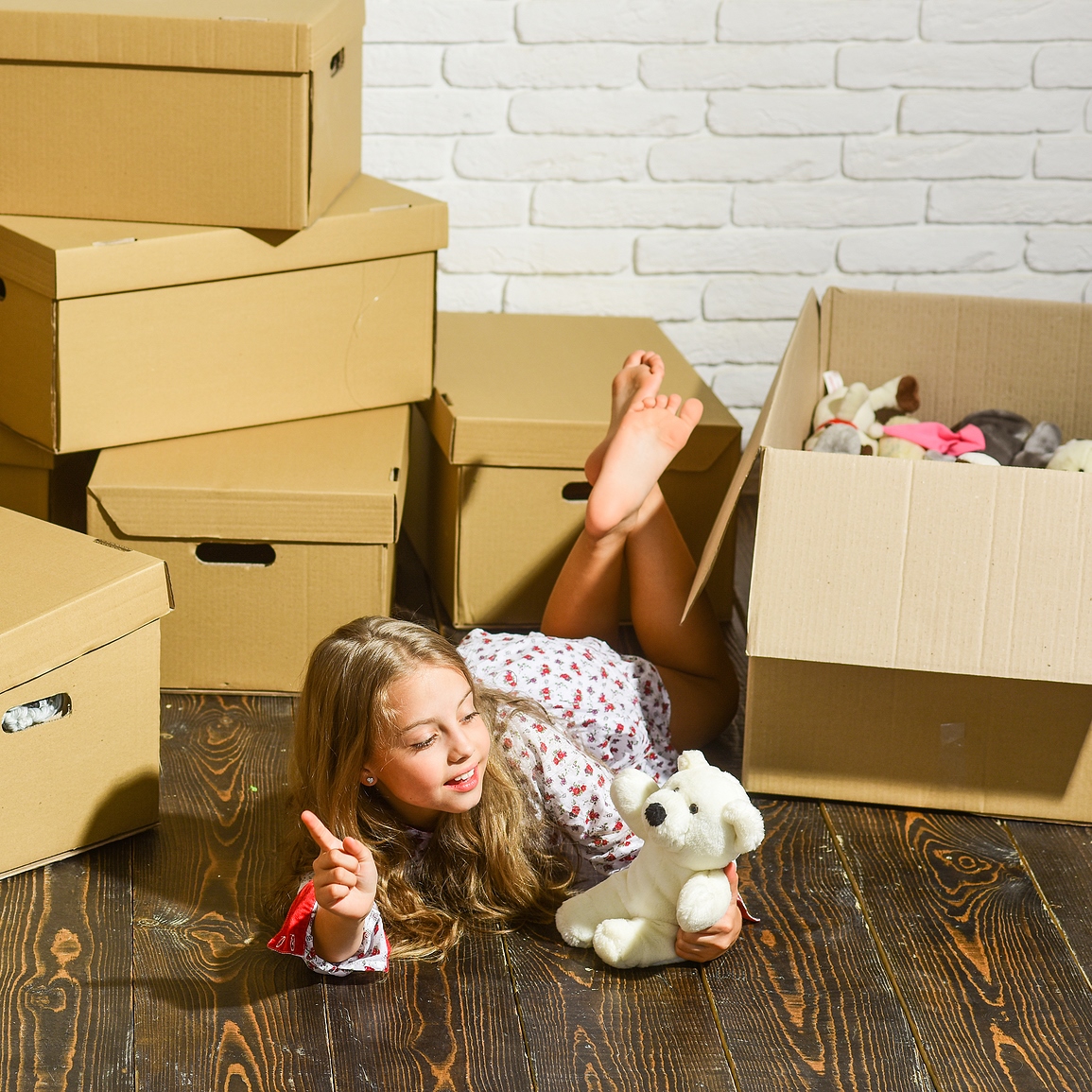
The process of moving often causes families to feel stressed, and it becomes even more complicated if you co-parent with someone who lives far away from you.
To help children transition successfully from one home to another, both parents must show mutual respect for each other’s schedules and how the children will adjust to the changes in their daily routines. Planning ahead of time is a critical element of having a successful transition for both the parents and the children. Below are some excellent recommendations.
1. Plan the Move Around Custody Exchanges
Parenting time is split and should be planned carefully on moving day. When possible, schedule pickups, deliveries, and other major tasks when your child is with the other parent. This reduces chaos for the child and gives the parent handling logistics more room for error.
If relocation will impact the exchange points or distance to get to/from either parent’s home, review local relocation rules and how they affect parenting-time adjustments.
Use resources that answer questions related to out-of-state relocation, schedule modifications, and/or updating existing parenting plans. By understanding more about child custody near you, you can stay compliant with the law and prevent unnecessary surprises during this process.
2. Use Color-Coding to Separate Belongings for Two Homes
Kids moving back and forth between two different homes will typically have some belongings that will travel with them between homes, and some that will stay at each of their respective homes. Color coding items makes this process much more manageable for children. For example:
- Home A items-color one
- Home B items-color two
- Traveling essentials-color three
Children will benefit from the process because it minimizes the likelihood of mistakenly combining children's belongings, and it gives kids a sense of ownership over their belongings.
3. Use Proper Packing Materials to Protect Fragile and Sentimental Items
Children's artwork, crafts from school, or special keepsakes must be carefully protected. Do the following to properly protect these items:
- Use corner guards as added protection for framed pictures
- Bubble wrap or foam sleeves should be used to wrap ceramics and protect them from breakage
- Use folders to protect drawings and certificates
- Use hard-shell cases to protect electronics during transportation between homes
Seeing their cherished items intact and placed in an appropriate environment will help children feel more secure in their new home.
4. Consider Climate-Controlled Transport for Sensitive Belongings
If you plan to pack artwork, wooden toys, musical instruments, or other temperature-sensitive items, it is wise to use either a climate-controlled moving truck or portable storage pod. High levels of humidity and heat can cause damage to paper, wood, and electronics.
When moving long-distance or packing and storing your belongings for multiple days, having access to temperature-controlled storage facilities will allow you to maintain the highest degree of safety for your items throughout the entire moving process.
5. Stage Safe Unpacking When Kids Are Present
On the moving day, the environment can be extremely dangerous for children. When unpacking and arranging your home, keep in mind that there are sharp objects, heavy weights, and damaged materials present. You should always unpack these items while children are visiting the other parent.
Start by creating one safe, fully set-up room for children. For temporary no-go zones, use baby gates or create close-off areas. Also, keep cleaning supplies, loose cords, cutters, and hardware out of reach.
Establishing a calm and safe environment during unpacking will allow children to settle into their new home quickly, even if the rest of the house is still being set up.
6. Create an Interim Storage Space with a Shared Digital Inventory
If your move is happening in stages, or you and your co-parent want to avoid disagreements over what goes where, short-term storage is extremely helpful. A small unit can hold:
- Seasonal clothing
- Duplicate toys
- Furniture to separate between households
- School supplies and sporting equipment shared across both households
By creating a digital inventory of items, you can both track where your items are. This allows for better communication and avoids any issues related to ‘lost’ items that sometimes occur during co-parenting situations.
Endnote
Family relocations are a tough experience, made even more so when children must transition through two homes. A child moving from one home to another needs a plan to help ease the transition and make them feel that they are moving into a secure and stable environment. The cooperation of both parents can help simplify things.